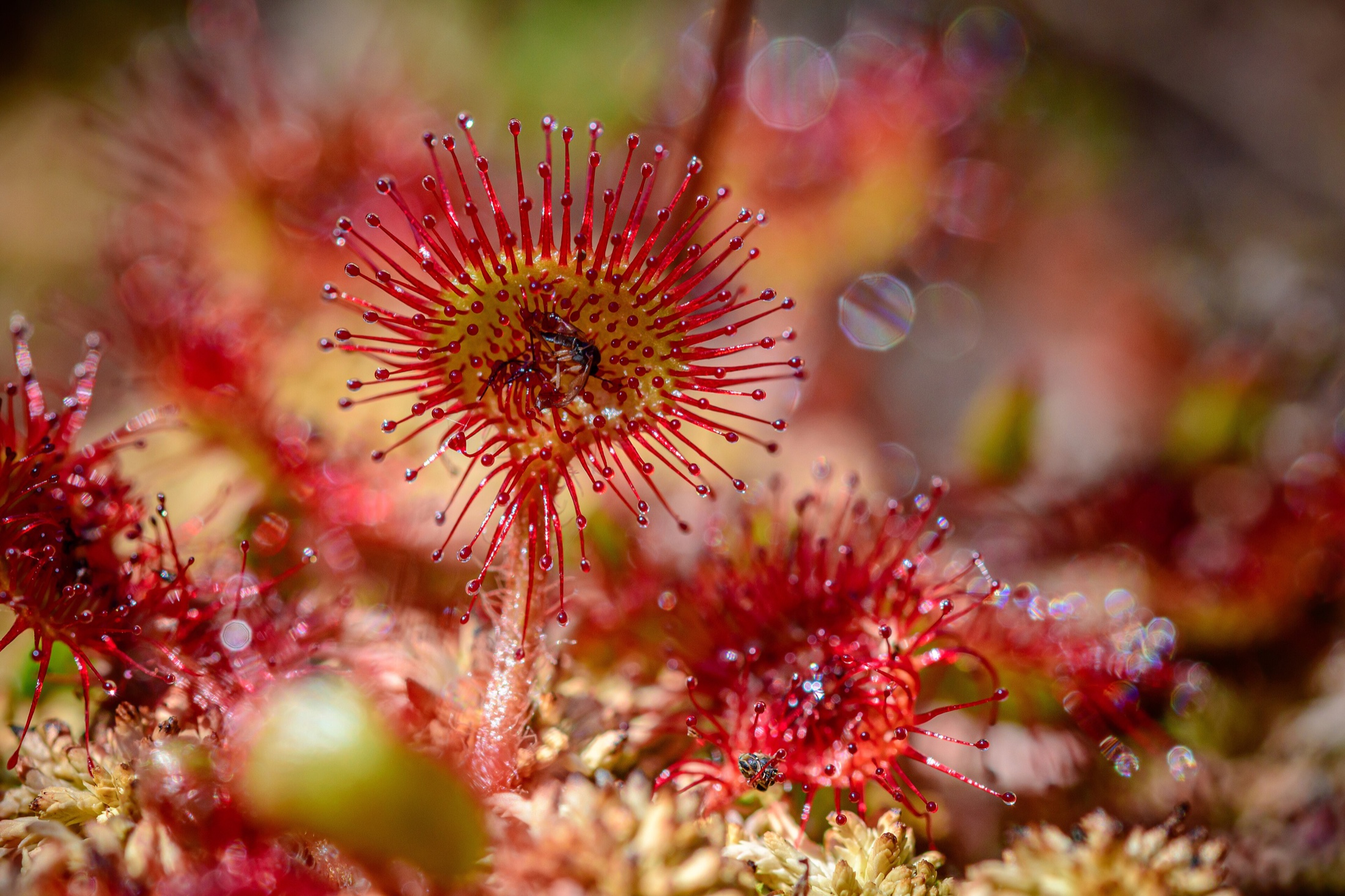
Plants that Hunt
Carnivorous plants trap and digest animals to make up for poor soil. This site explains how they live and how to grow them, one species and one lesson at a time.
Learn the Plant,
Not the Recipe
Care advice only makes sense once you know what a plant is and where it comes from. The lessons here follow three habits that make growing easier.
Identify your plant
Know the genus and, where possible, the species. A Venus flytrap, a tropical pitcher plant and a sundew need very different things.
Understand its conditions
Light, water quality, growing medium, temperature and dormancy. Learn what the plant experiences in habitat before adjusting your windowsill.
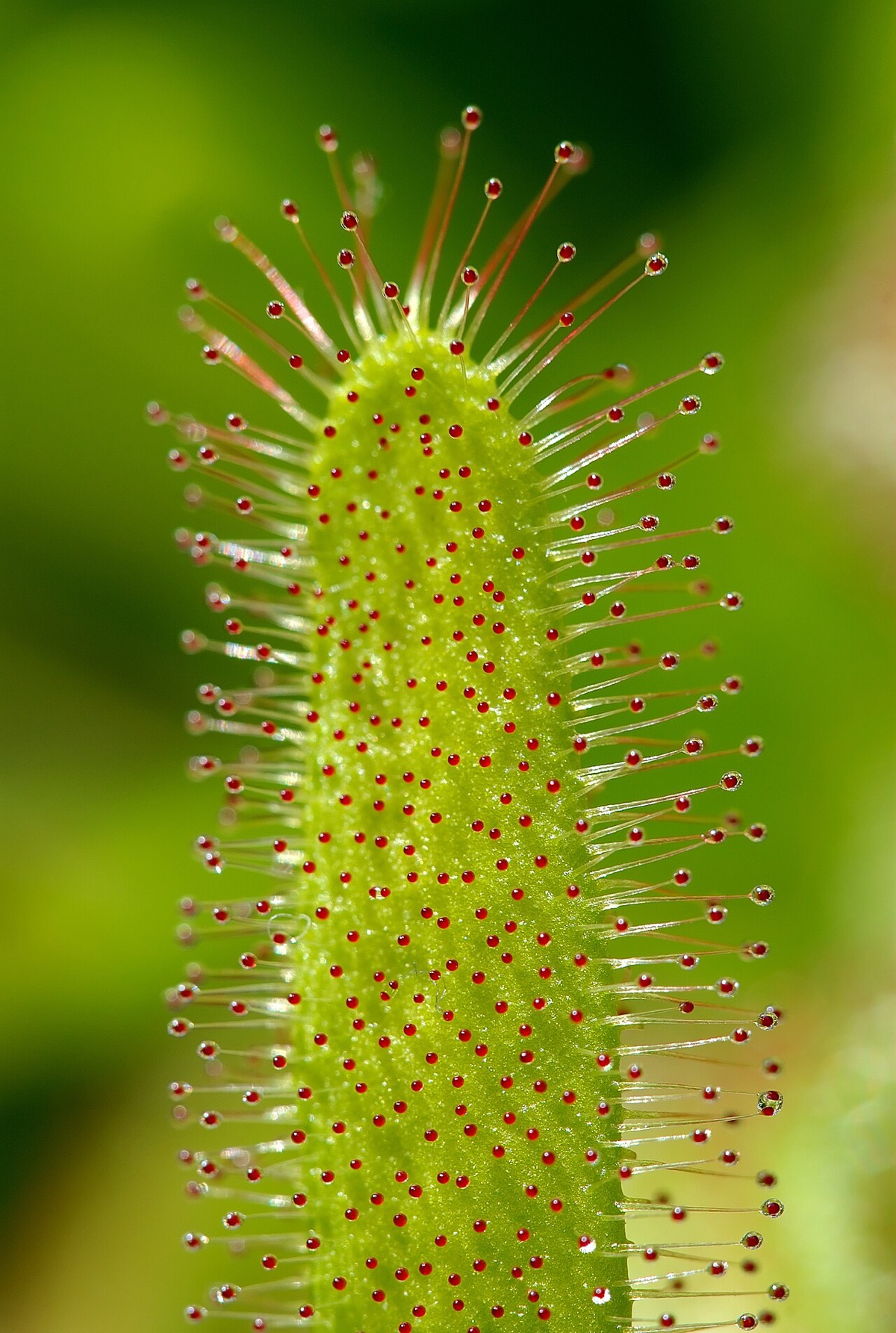
Observe how it responds
Plants answer slowly. Keep a simple log, change one thing at a time and judge by new growth rather than by a single leaf.
Meet the Main Groups
Most plants a beginner will encounter belong to a handful of genera. Each card opens an introduction to that group: what the plants are, where they grow and how they are cared for.
 1 profile
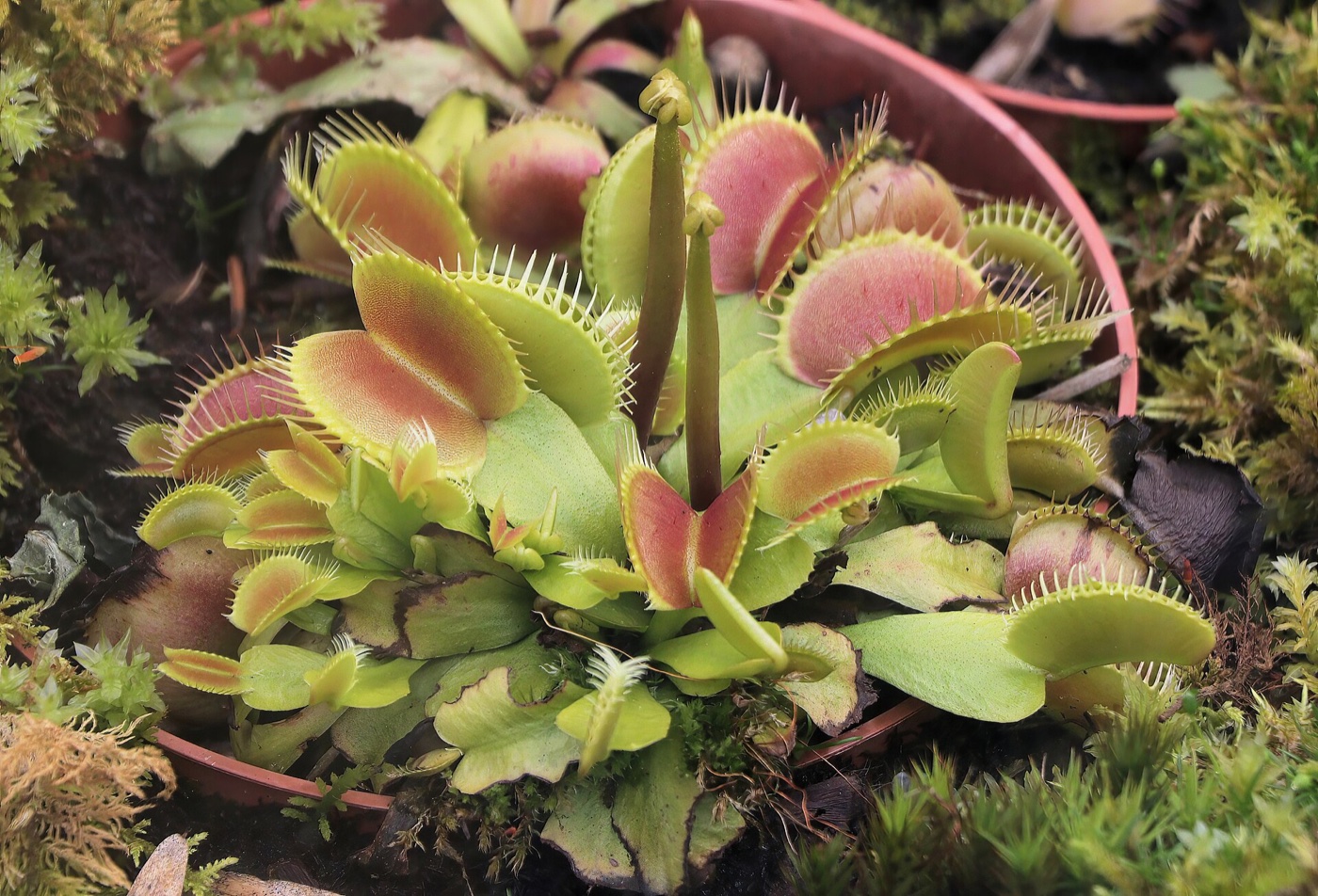
Dionaea Venus flytrap
The only species in its genus and the plant most people picture when they hear the words carnivorous plant. Easy to keep for a season, harder to keep for years: it needs full sun, mineral-free water and a cold winter rest.
 2 profiles
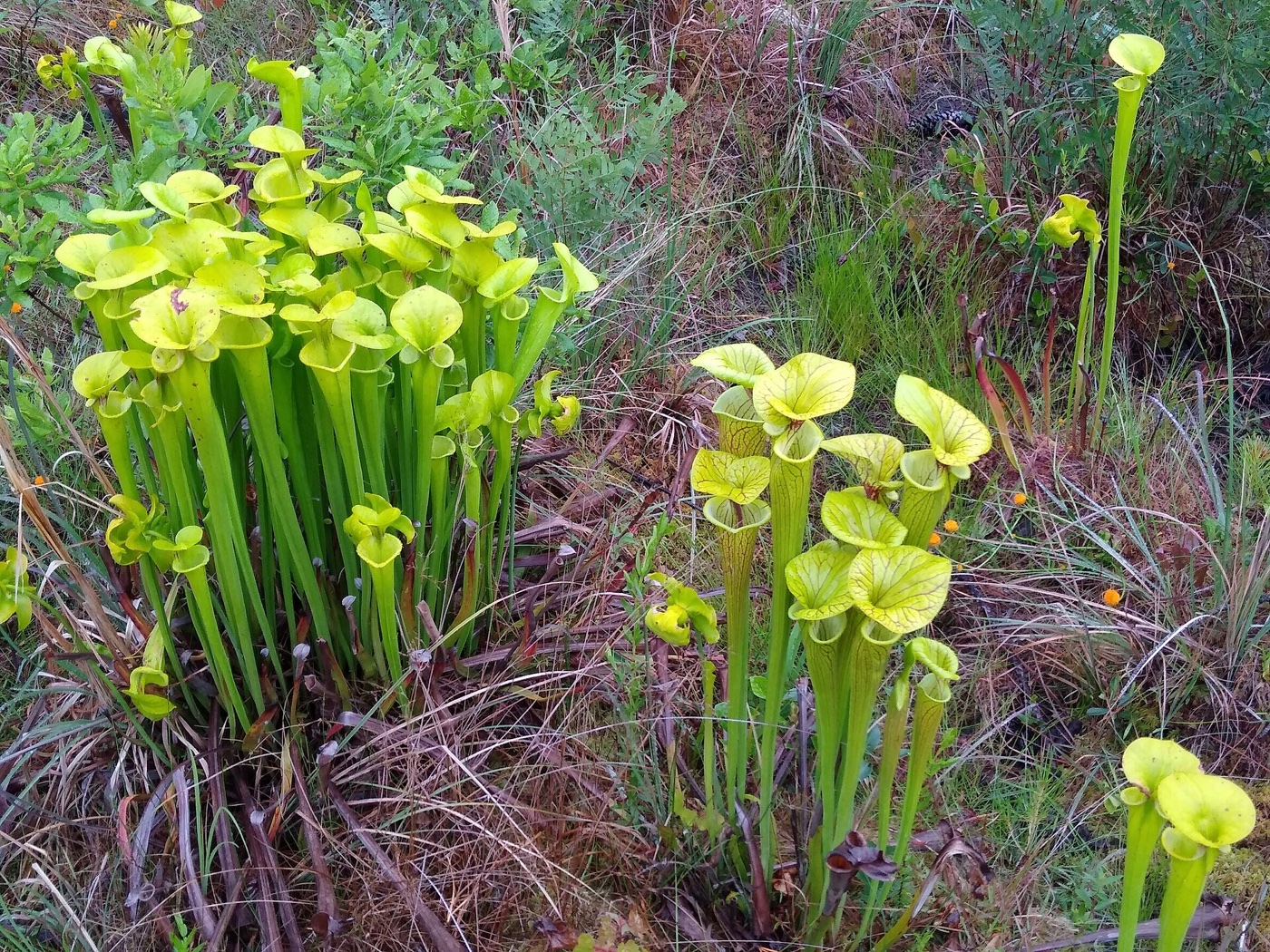
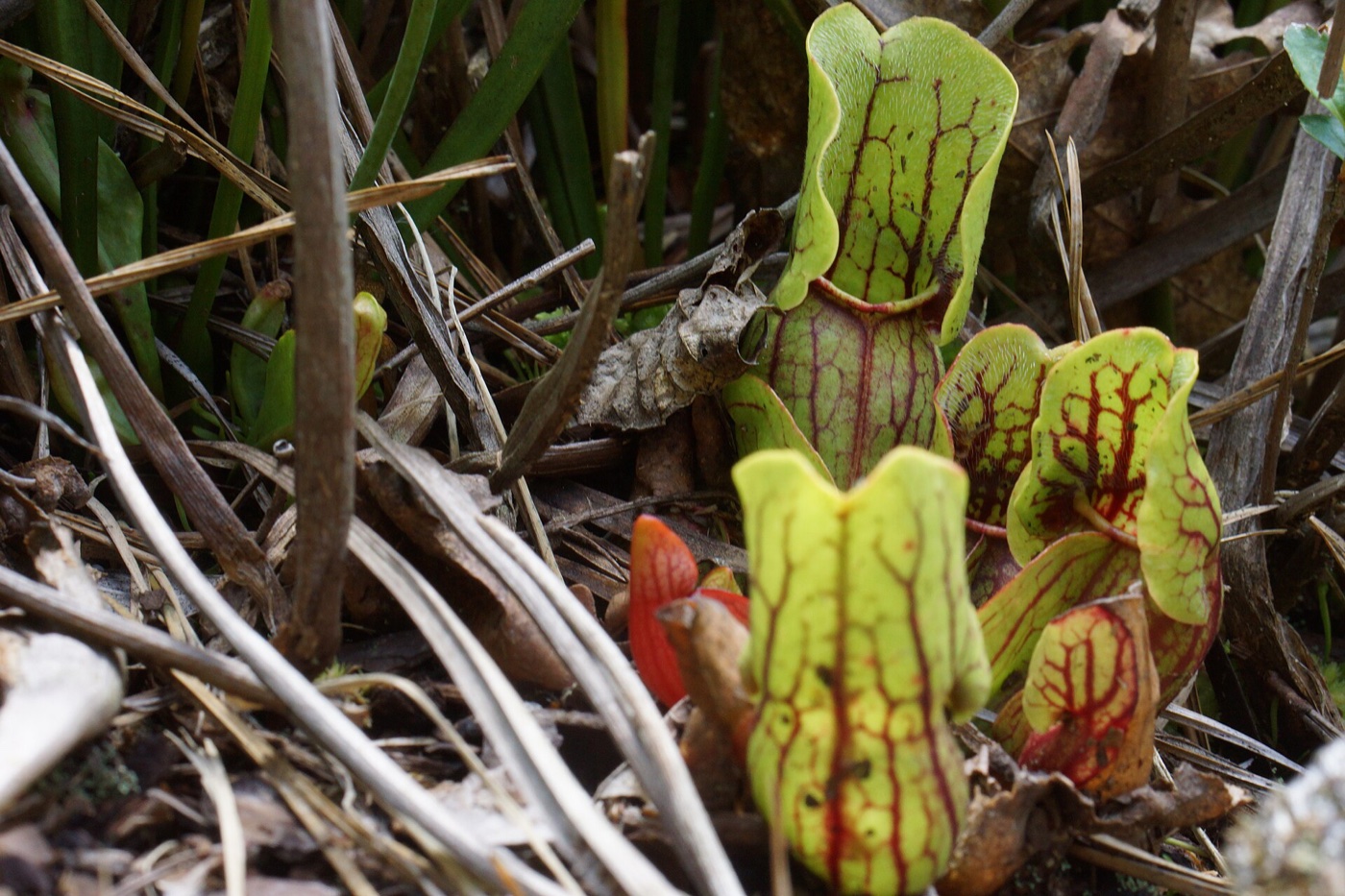
Sarracenia American pitcher plants
Rhizome-forming perennials whose leaves are hollow pitfall traps, from squat rain-filled cups to trumpets a metre tall. Among the easiest carnivorous plants outdoors in a temperate climate, given full sun, pure water and a cold winter.
 2 profiles
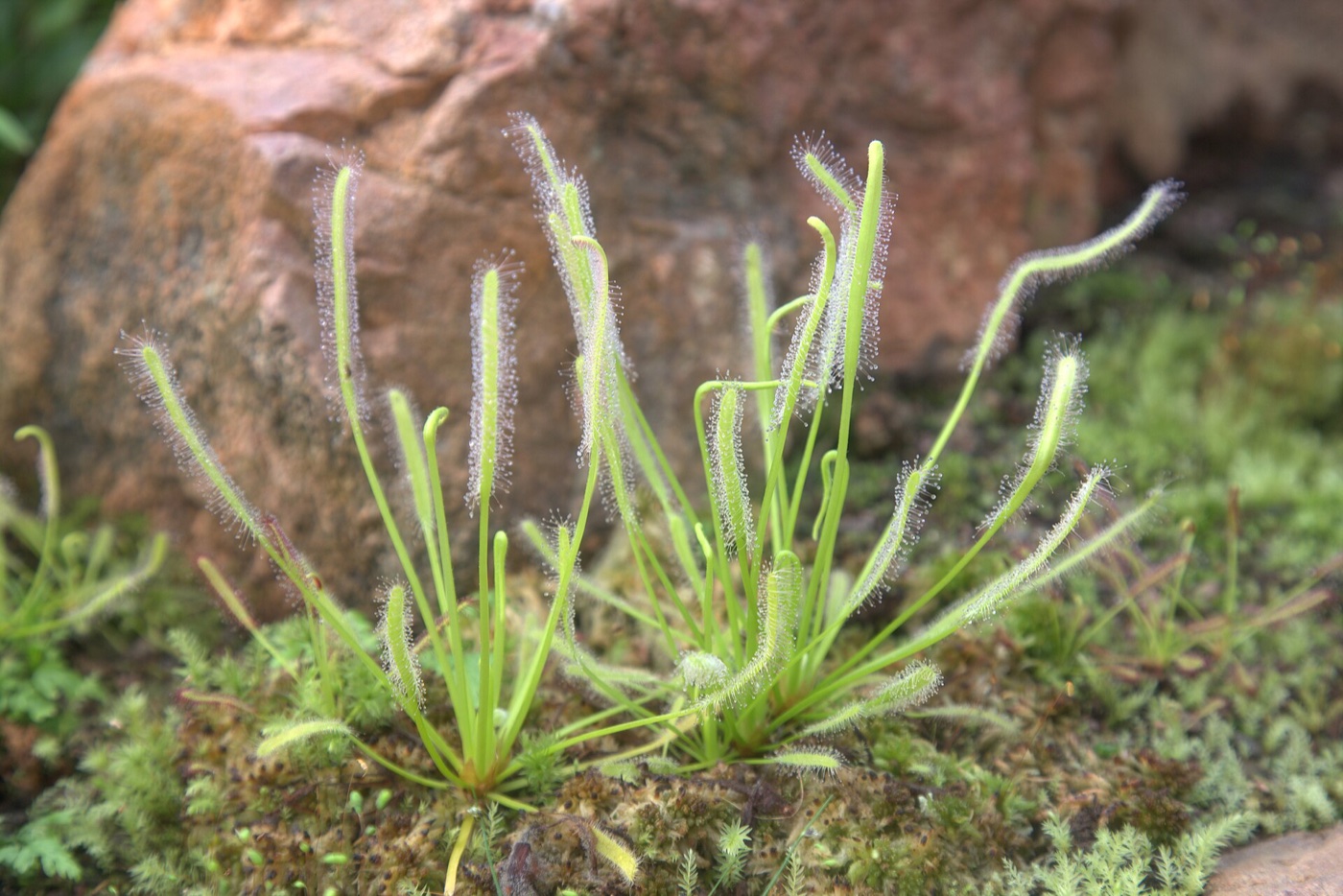
Drosera Sundews
The largest and most varied group of carnivorous plants: sticky-leaved plants from thumbnail-sized pygmies to knee-high climbers. The common subtropical species are among the easiest carnivorous plants to grow; the temperate, pygmy, tuberous and woolly groups each need their own seasonal routine.
 1 profile
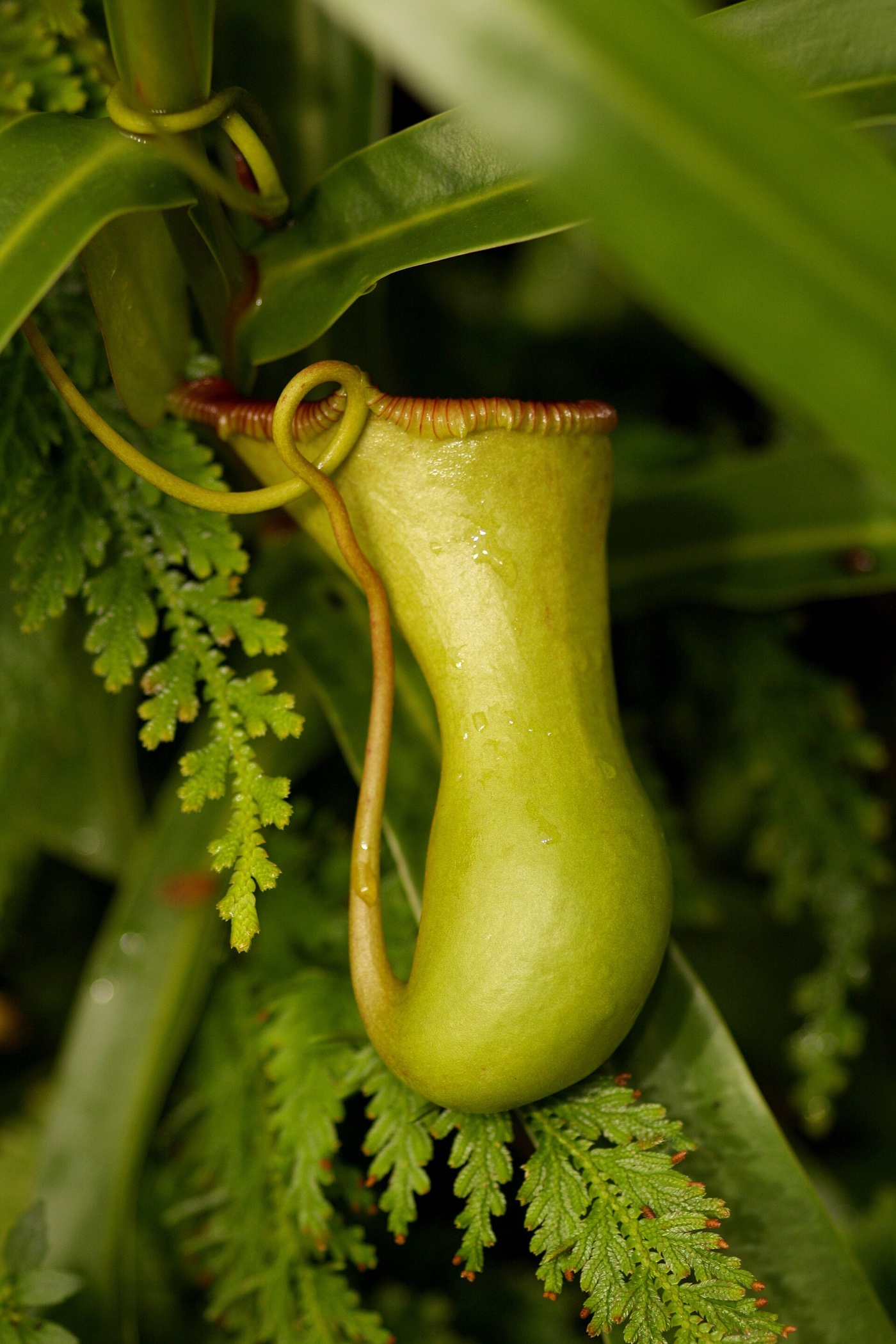
Nepenthes Tropical pitcher plants
Climbing vines of the Old World tropics whose leaves end in hanging, lidded pitchers that drown and digest insects. No dormancy, temperature needs that depend on the altitude a species comes from, and a few hybrids that make easy windowsill plants.
 1 profile
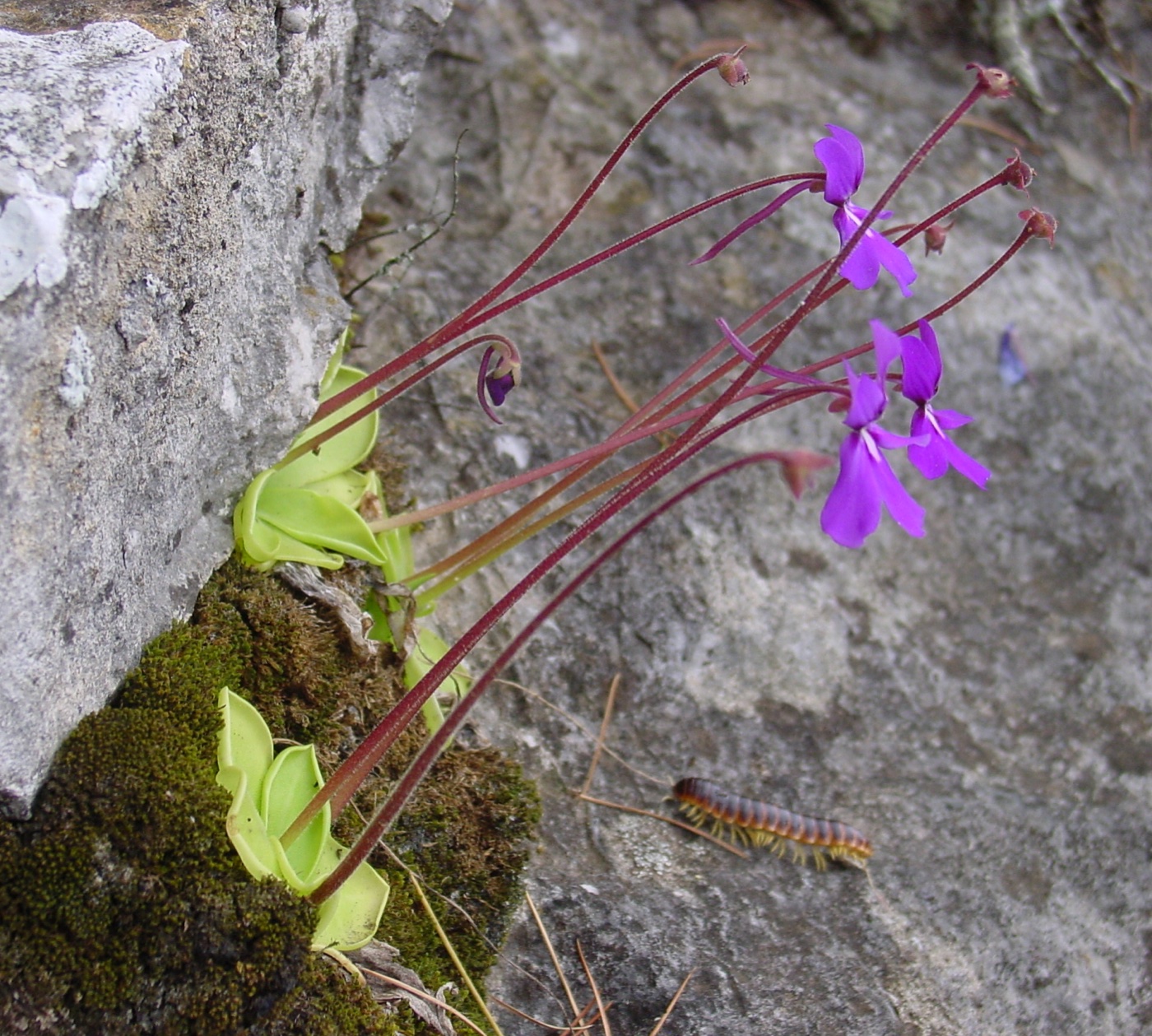
Pinguicula Butterworts
Small rosettes with flat, sticky leaves that catch gnats. The Mexican species sold in shops are among the easiest carnivorous plants for a windowsill; the temperate species need a frozen winter and are a different proposition.
 1 profile
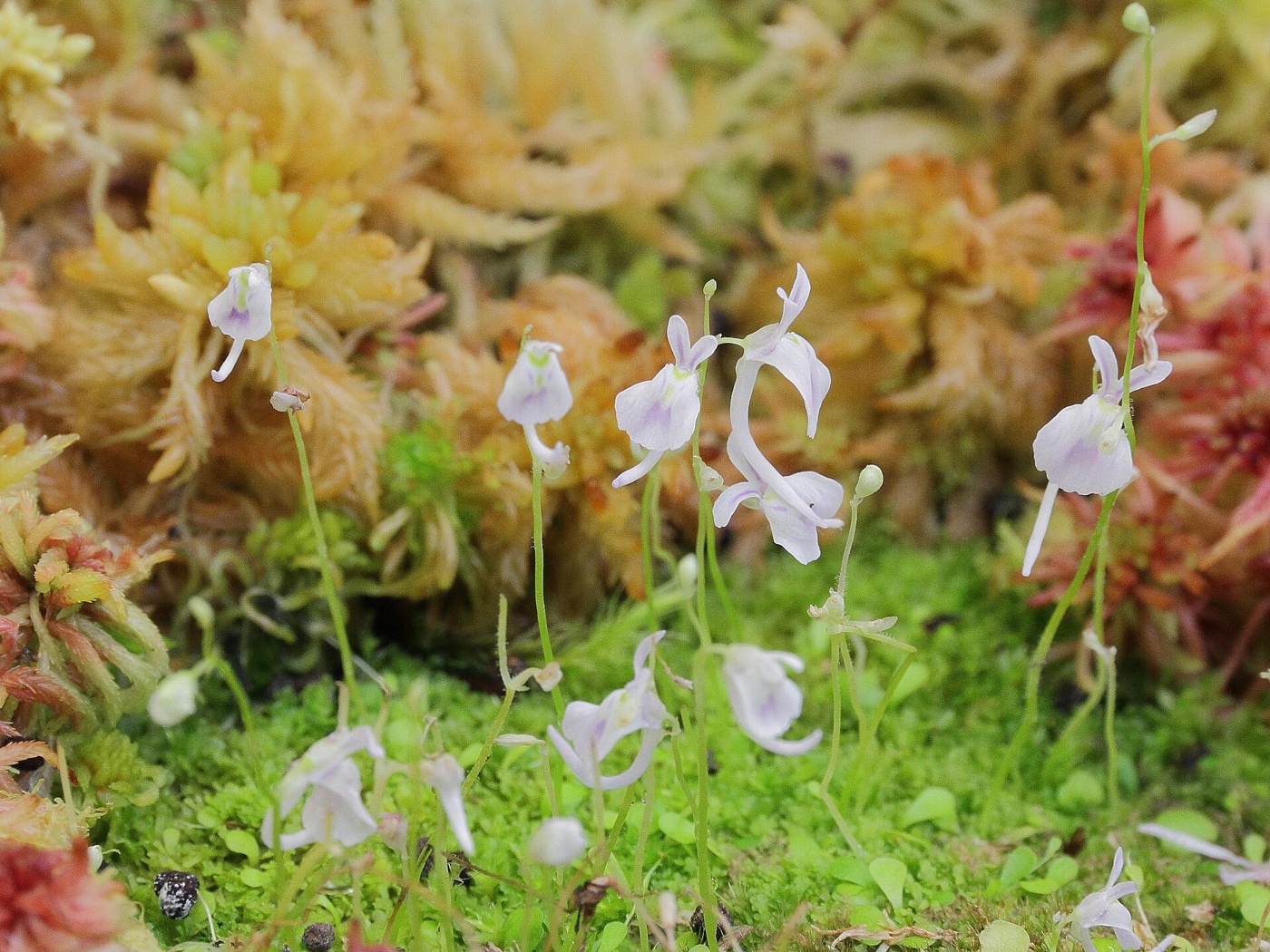
Utricularia Bladderworts
Rootless plants whose traps are tiny underwater bladders that suck in prey faster than the eye can follow. The terrestrial species are among the easiest carnivorous plants to keep and flower almost continuously; the aquatics are harder than they look.
Species to Start With
A few plants that forgive beginner mistakes, each with a profile covering light, water, medium, dormancy and common problems.
The Beginner Path
Four short lessons in a deliberate order. Finish them and you will be able to choose a first plant, water it correctly, place it well and carry it through winter.
Start with lesson oneChoosing a suitable first plant
How to pick a carnivorous plant that will succeed in the conditions you actually have, and why the famous one is not usually the easiest.
Understanding water and growing media
Why carnivorous plants are harmed by ordinary tap water and potting compost, which alternatives work, and how to water without guessing.
Matching light and growing location
How much light each group of carnivorous plants needs, how to judge what a windowsill really provides, and when a grow light is the honest answer.
Understanding dormancy and seasonal changes
Which carnivorous plants rest in winter, what the rest looks like so you do not mistake it for death, and practical ways to provide it in different climates.
Latest Articles
Practical notes on growing method, record keeping and research habits.
Growing Experiments
Small, documented comparisons from the growing journal. Each entry states its question, method and limitations, and says plainly when no results exist yet.
- PlannedExample
Comparing growing media for Drosera capensis
Do Cape sundews grown in a peat and perlite mix, long-fibre sphagnum, or a peat-free coir and perlite mix differ in growth over one season?
- Started
- Not started
- Last update
- Results
- None yet (not started)
- Species
- Drosera capensis
- PlannedExample
Observing growth under three light conditions
How does the growth and colouring of the same species differ between a south-facing windowsill, an east-facing windowsill and a grow light over eight weeks?
- Started
- Not started
- Last update
- Results
- None yet (not started)
- Species
- Drosera capensis, Nepenthes ventricosa, Sarracenia purpurea
Beginner Questions
Short answers, with a link to the lesson that explains the reasoning.
Read the beginner guideWhich carnivorous plant should I start with?
For a sunny windowsill or outdoor spot, Drosera capensis (Cape sundew) is widely recommended because it tolerates a range of conditions and does not need a cold dormancy. Venus flytraps are also achievable if you can give them very strong light and a cool winter rest.
Lesson 1: choosing a first plantCan I use tap water?
Usually not. Most carnivorous plants come from mineral-poor habitats and are harmed by the dissolved salts in many tap waters. Rainwater, distilled water or reverse-osmosis water are the safe choices.
Lesson 2: water and growing mediaDo I need to feed my plant insects?
Plants grown outdoors catch their own food. Indoors, occasional feeding with small insects can help, but light is far more important than food. Never feed meat or fertilise the soil as you would a houseplant.
Lesson 3: light and locationMy Venus flytrap is dying back in autumn. Is that normal?
Very likely yes. Dionaea muscipula and the North American pitcher plants (Sarracenia) go dormant in winter: growth slows, traps blacken and the plant shrinks to a small rosette. Keep it cool and just damp, and growth resumes in spring.
Lesson 4: dormancy and seasonsWhy is the difficulty rating on a species page only a guide?
Difficulty depends on your conditions. A plant that is easy in a bright greenhouse can be hard on a north-facing windowsill. Each rating is an editorial judgement about typical home conditions, explained on the species page.
Browse beginner species