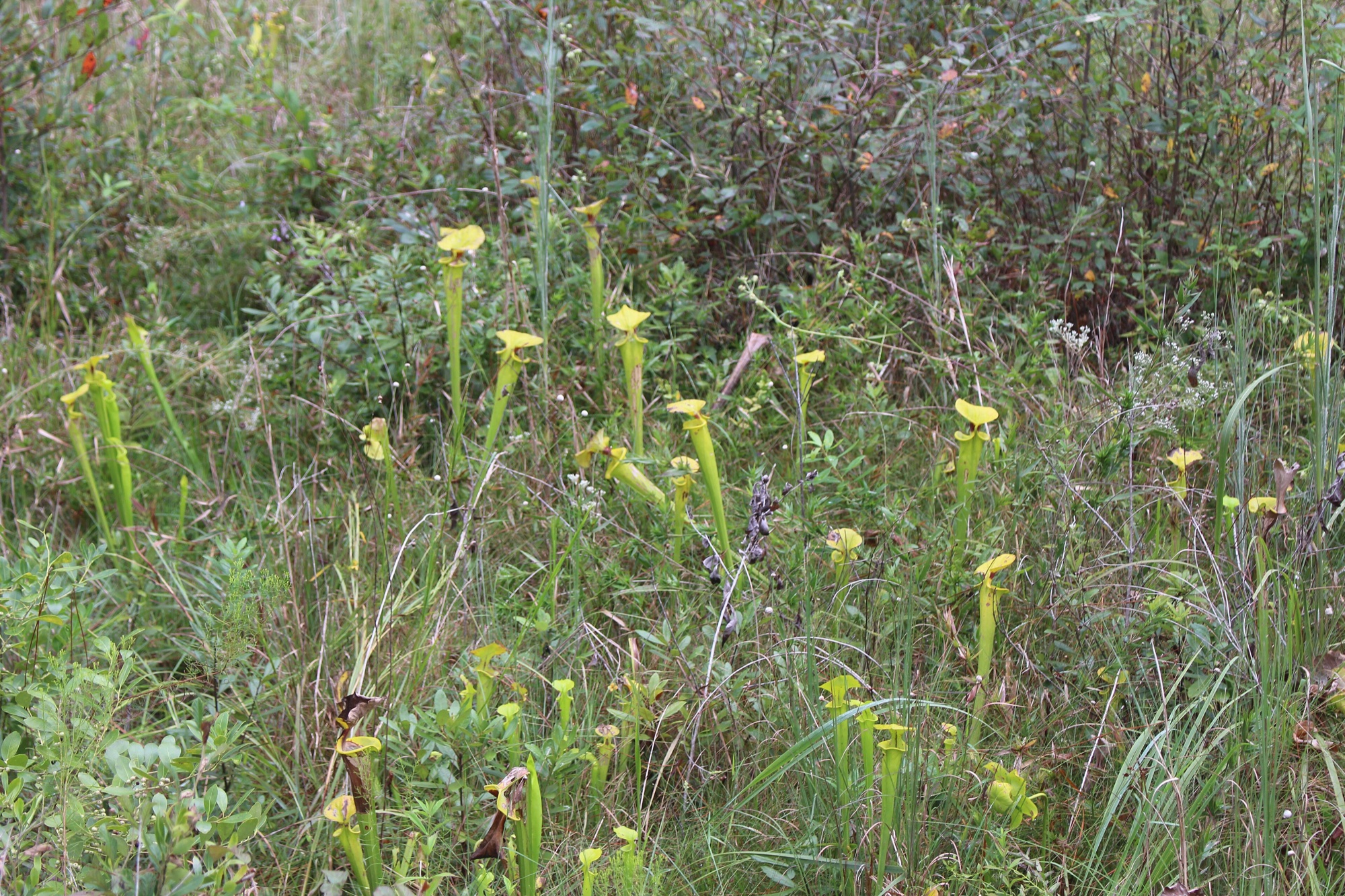
Which sundew suits your space? Climate and dormancy for every Drosera species

Which sundew suits your space: every accepted Drosera species in five climate types, with its native range, wild rhythm and the places it will grow.

Growing practice75 min readBy Ian Dixon

Every sundew wants the same soil and the same water: something acid and starved, kept wet with rain, distilled or reverse-osmosis water. What they do not share is a climate. A sundew from a Canadian bog spends half the year frozen under a resting bud. One from the sand plains of Western Australia spends the summer as a dry tuber and only appears when the autumn rains come. One from the monsoon country of northern Australia never sees a cold night and sulks below 18 °C (65 °F). The Cape sundew, the plant most people start with, does none of these things, and that is exactly why it is the plant most people start with.

So when you find a sundew you like, the question is not “is it easy?” but “does its year fit the space I can give it?” This article answers that for every species. First come the growing spaces most of us actually have and what each one can offer a plant. Then an index of every accepted species sorted into five climate types, with each name linking to its own entry. Then the five types in turn: what the plants do in the wild, the temperatures and the rest they need, and a table of every species in the type with its native range, wild rhythm and the spaces it suits.

What decides whether a sundew will live with you

Four things, in this order.

Whether it needs a rest, and what kind. About a third of the genus grows all year. The rest take one of two kinds of rest: a cold winter rest, usually as a tight bud called a hibernaculum, or a dry summer rest as a tuber, a thick root or a hairy bud. A plant that needs a rest and does not get one declines over one to three years. A plant that is given a rest it does not need, such as a Cape sundew left to freeze, simply dies faster.

The temperature it grows in. The subtropical rosettes are happy anywhere between about 10 and 35 °C (50 and 95 °F). Tuberous sundews die back when days pass about 25 °C (77 °F) in their growing season. The woolly sundews of northern Australia want the low 30s °C (high 80s °F) in summer. Highland plants from Brazil, the Venezuelan tepuis and the Queensland rainforest want cool nights and nothing much above 25 °C (77 °F). The same windowsill cannot do all of these.

How much light it gets. Nearly every sundew wants more light than a windowsill gives, and pygmy and tuberous sundews want full sun or a strong lamp. Only the three Queensland rainforest species are grown out of direct sun.

Whether it is an annual. A dozen or so species live for one wet season, flower, seed and die, whatever you do. They are easy, but only from seed, every year.

The native range is the clue to all four. The table below gives it for every species, and the groups explain what it means.

The spaces most growers have

Match the space before you match the plant. These are the eight situations used in the species table; a species often suits more than one.

Space What it offers Who it suits
Cold bog Outdoors all year with real winters: hard frost, soil that freezes, USDA zones 5 to 7 (lows of −29 to −12 °C, −20 to 10 °F), RHS H5 to H6 and colder. Cold temperate sundews with hibernacula, and nothing else.
Mild bog Outdoors all year with light frost only, USDA zones 8 to 9 (lows of −12 to −1 °C, 10 to 30 °F), typical of the Pacific coast, the British Isles with some shelter, the southern United States and coastal Australia. Cold and warm temperate sundews, the fork-leaved sundew, D. regia, the hardier tuberous and pygmy species with a dry summer.
Frost-free outdoors A Mediterranean, subtropical or tropical climate, USDA zone 10 and warmer, with the pots never freezing. Subtropical rosettes, pygmy and tuberous sundews (winter-rainfall climates especially), South African winter growers; woolly sundews in the tropics.
Cold greenhouse An unheated greenhouse, cold frame, porch or garage window: frost-free or nearly so, cold in winter, cool in spring and autumn, warm in summer. Temperate species that need a winter chill without a deep freeze, tuberous sundews, pygmies, the winter-growing South Africans, D. regia, D. binata.
Windowsill Room temperature all year, roughly 15 to 25 °C (59 to 77 °F), with a few hours of direct sun. Subtropical rosettes, the Cape sundew, the easy annuals; not enough light for most others.
Lights An indoor shelf or terrarium under grow lights at room temperature, humid, with a timer. Subtropical rosettes, the Queensland species, pygmies (on a natural day length), the annuals, the non-dormant tropical forms of temperate species.
Warm terrarium Lights plus heat, 25 to 32 °C (77 to 90 °F), never below 18 °C (65 °F). Woolly sundews and the tropical annuals.
Cool greenhouse Days under about 25 °C (77 °F), nights of 10 to 16 °C (50 to 60 °F), humid; a shaded greenhouse in a cool climate, a cool basement under lights, or a wine-cooler terrarium. Brazilian and tepui highland species, D. schizandra, D. arcturi, cool forms of D. spatulata.

A quick way to read the table: a kitchen windowsill grows the subtropical group and little else; an outdoor bog in a frost climate grows the cold temperate group and little else; a cold greenhouse or frost-free garden grows almost everything with a dry summer rest; a warm terrarium grows the tropical annuals and woolly sundews; a cool greenhouse grows the highland plants.

Every species by climate type

Five climate types cover the genus. Each name below links to the species’ own entry further down, where its native range, wild rhythm and suitable spaces are given; the type name links to the section that explains the group. Within a type the entries are sorted by group (tuberous, pygmy, woolly and so on) and then by name.

Temperate, 14 species. A cold or mild winter rest. Grow in a cold bog, a mild bog or a cold greenhouse. D. anglica, D. arcturi, D. binata, D. brevifolia, D. capillaris, D. filiformis, D. intermedia, D. linearis, D. murfetii, D. regia, D. rotundifolia, D. stenopetala, D. tracyi, D. uniflora

Subtropical, 18 species. No rest, room temperature. Grow on a windowsill, under lights or frost-free outdoors. D. admirabilis, D. aliciae, D. capensis, D. collinsiae, D. curvipes, D. dielsiana, D. glabripes, D. hamiltonii, D. natalensis, D. neocaledonica, D. nidiformis, D. oblanceolata, D. rubrifolia, D. slackii, D. spatulata, D. tokaiensis, D. ultramafica, D. venusta

Tropical lowland, 51 species. Warm all year. Grow in a warm terrarium or under lights in a warm room. D. adelae, D. affinis, D. amazonica, D. aquatica, D. arachnoides, D. aurantiaca, D. banksii, D. barrettiorum, D. bequaertii, D. biflora, D. brevicornis, D. broomensis, D. burkeana, D. burmannii, D. buubugujin, D. caduca, D. cayennensis, D. colombiana, D. communis, D. cucullata, D. darwinensis, D. derbyensis, D. dilatatopetiolaris, D. elongata, D. falconeri, D. finlaysoniana, D. flexicaulis, D. fragrans, D. fulva, D. glabriscapa, D. hartmeyerorum, D. hirtella, D. indica, D. katangensis, D. kenneallyi, D. lanata, D. lutescens, D. maanyaa-gooljoo, D. madagascariensis, D. margaritacea, D. nana, D. ordensis, D. panamensis, D. paradoxa, D. petiolaris, D. prolifera, D. schizandra, D. serpens, D. sessilifolia, D. stipularis, D. subtilis

Tropical highland, 33 species. Cool nights and no cold. Grow in a cool greenhouse or under lights in a cool room. D. arenicola, D. ascendens, D. camporupestris, D. cendeensis, D. chimaera, D. chrysolepis, D. condor, D. esmeraldae, D. felix, D. graminifolia, D. grantsaui, D. graomogolensis, D. hirticalyx, D. humbertii, D. kaieteurensis, D. latifolia, D. magnifica, D. meristocaulis, D. montana, D. peruensis, D. pilosa, D. quartzicola, D. riparia, D. roraimae, D. schwackei, D. solaris, D. spiralis, D. spirocalyx, D. tentaculata, D. tomentosa, D. villosa, D. viridis, D. yutajensis

Winter growers, 146 species. Winter growth and a summer rest. Grow in a cold greenhouse or frost-free outdoors in a winter-rainfall climate. D. aberrans, D. acaulis, D. afra, D. alba, D. albonotata, D. allantostigma, D. andersoniana, D. androsacea, D. atrata, D. atrostyla, D. auriculata, D. australis, D. barbigera, D. basifolia, D. bicolor, D. bindoon, D. browniana, D. bulbigena, D. bulbosa, D. callistos, D. calycina, D. cistiflora, D. citrina, D. closterostigma, D. coccipetala, D. collina, D. coomallo, D. cuneifolia, D. depauperata, D. dichrosepala, D. drummondii, D. echinoblastus, D. eneabba, D. enodes, D. eremaea, D. ericgreenii, D. erythrogyne, D. erythrorhiza, D. esperensis, D. esterhuyseniae, D. fimbriata, D. geniculata, D. gibsonii, D. gigantea, D. glanduligera, D. gracilis, D. graniticola, D. grievei, D. gunniana, D. helodes, D. heterophylla, D. hilaris, D. hirsuta, D. hookeri, D. hortiorum, D. huegelii, D. humilis, D. hyperostigma, D. indumenta, D. intricata, D. koikyennuruff, D. lasiantha, D. leioblastus, D. leucoblasta, D. leucostigma, D. lowriei, D. lunata, D. macrantha, D. macropetala, D. macrophylla, D. magna, D. major, D. mannii, D. marchantii, D. menziesii, D. meristocaulis, D. micra, D. micrantha, D. microphylla, D. microscapa, D. miniata, D. minutiflora, D. modesta, D. monantha, D. monticola, D. moorei, D. myriantha, D. neesii, D. nitidula, D. nivea, D. occidentalis, D. omissa, D. orbiculata, D. oreopodion, D. paleacea, D. pallida, D. patens, D. pauciflora, D. pedicellaris, D. peltata, D. planchonii, D. platypoda, D. platystigma, D. porrecta, D. praefolia, D. prophylla, D. prostrata, D. prostratoscaposa, D. pulchella, D. purpurascens, D. pycnoblasta, D. pygmaea, D. radicans, D. ramellosa, D. ramentacea, D. rechingeri, D. reflexa, D. roseana, D. rosulata, D. rubricalyx, D. rupicola, D. salina, D. sargentii, D. schmutzii, D. scorpioides, D. sewelliae, D. silvicola, D. spilos, D. squamosa, D. stelliflora, D. stolonifera, D. stricticaulis, D. subhirtella, D. sulphurea, D. thysanosepala, D. trichocaulis, D. trinervia, D. tubaestylis, D. verrucata, D. walyunga, D. whittakeri, D. xerophila, D. yilgarnensis, D. zeyheri, D. zigzagia, D. zonaria

Temperate sundews: a winter rest

Fourteen species from places with a real winter: the bogs of the northern hemisphere, the south-eastern United States, eastern Australia and New Zealand, the Cape mountains and the alpine and Magellanic south. All of them stop for the cold months, most as a hibernaculum, and all of them are outdoor or cold-greenhouse plants rather than houseplants.

Cold temperate sundews: a hibernaculum and a real winter

D. rotundifolia, D. anglica, D. intermedia, D. linearis, D. filiformis and D. tracyi, the sundews of the northern bogs. In autumn they stop, drop their roots and leaves, and sit out the winter as a hibernaculum, a tight bud of scales at soil level. The bud must spend the winter cold and barely damp; a plant denied its winter on a windowsill grows weaker each year and dies within two or three.

  • Dormancy length: about six months for D. rotundifolia and D. anglica, nine for D. linearis and the northern forms of D. intermedia. Southern populations rest for less time; provenance matters, and a plant from Wisconsin and one from Louisiana are not interchangeable.
  • Temperature: cool summers suit them; pots are kept standing in water and can be flooded in hot weather. Outdoors in USDA zone 9 and colder for D. rotundifolia and D. anglica; D. linearis is difficult where winters are milder than zone 7. D. filiformis from the Atlantic coast lives in zones 6 and 7 and needs a definite winter; its Florida form and D. tracyi are zone 9 plants that are hurt by early and late freezes.
  • Rest in a mild climate: lift the hibernaculum after die-back and keep it in the refrigerator in a sealed bag with a little damp sphagnum, or keep the pot in an unheated porch or cold frame.
  • Exceptions that skip the rest: the Hawaiian D. anglica, the Cuban and Mount Roraima forms of D. intermedia and, under lights, the Florida D. filiformis grow without a hibernaculum and suit a terrarium.
  • Spaces: cold bog, mild bog, cold greenhouse. Not a windowsill plant.

Warm temperate sundews: a mild winter, no hibernaculum

D. capillaris and D. brevifolia of the south-eastern United States, which also reach southern Brazil. Their habitats have a definite but mild winter. They tolerate frost but not long freezes, and instead of forming a hibernaculum they pass through cycles of growth and semi-dormancy. D. brevifolia tends to behave as a biennial, flowering itself to death; removing flower stalks prolongs both.

  • Temperature: outdoors all year in USDA zone 9 and warmer; in colder zones outdoors in the warm months and in a cold frame, garage window or cold greenhouse for winter.
  • Rest: semi-dormancy in winter cold or in a heated terrarium; no bud is formed and nothing special is done.
  • Spaces: mild bog, frost-free outdoors, cold greenhouse, lights.

The fork-leaved sundew: a winter rest in every form

D. binata from the sandy marshes of eastern Australia, Tasmania and New Zealand is a warm temperate plant that is often grown as a subtropical. Every form goes dormant at some point, dying back to ground level, more reliably under natural light than under lamps; a plant that looks dead in winter usually has a live growth bud at the base.

  • Temperature: Tasmanian and New Zealand forms stay outdoors in USDA zone 9; the highland New Zealand form survives zone 7 winters if protected from freeze-drying; where the soil freezes, move pots to a garage or cold porch for winter. The multi-forked forms from north of Sydney are the least cold-tolerant.
  • Spaces: mild bog, frost-free outdoors, cold greenhouse, lights for the smaller cool-climate forms; a sunny humid windowsill for the smaller forms.

The king sundew: a Cape mountain seep

D. regia grows in a dozen hillside seeps in the Bainskloof mountains at 500 to 900 m (1,600 to 3,000 ft), in full sun with water moving through peat and gravel around its roots. It forms a loose hibernaculum in winter, survives light frost and regrows from its thick roots if a freeze kills the crown.

  • Temperature: mild days and cool nights; the roots are sensitive to heat. Outdoors all year in USDA zone 9; serious winter protection in zone 8 and colder, such as a garage window with a lamp for five or six months, or a heated greenhouse.
  • Water: always wet but never stagnant; it is less tolerant of airless waterlogging than most sundews.
  • Spaces: mild bog in zone 9, cold greenhouse, frost-free outdoors, and a very sunny humid windowsill for a patient grower.

Alpine sundews: snow in winter, cool in summer

D. arcturi of the Australian Alps, Tasmania and New Zealand, its Tasmanian relative D. murfetii, the New Zealand D. stenopetala and the Magellanic D. uniflora of Patagonia and the Falklands spend months under snow as a horn-shaped hibernaculum of leaf bases and grow in a short cool summer; Mount Baw Baw summers average about 5 to 15 °C (41 to 59 °F). They are uncommon in cultivation because they need both halves of that year: a real winter and a summer without heat. A cold bog in a cool-summer climate is the only space that offers it.

Temperate species

Species Group Native range Wild rhythm Grow it in Notes
D. arcturi Alpine Alpine south-eastern Australia and Tasmania; New Zealand from the North Island to Stewart Island, descending to sea level in the far south Winter under snow for months as a horn-shaped hibernaculum; grows and flowers from October to January Cold bog in a cool-summer climate, cold greenhouse in a cool climate Uncommon in cultivation and hard to keep: needs a real winter and a cool summer (Baw Baw summers average about 5 to 15 °C, 41 to 59 °F). Grown in sphagnum.
D. murfetii Alpine Tasmania: Hartz Mountains, Scotts Peak, Lake Plimsoll, about 1,000 m, among alpine cushion plants Winter dormant as a ground-level bud; flowers November to January, sometimes in snow Cold bog in a cool-summer climate, cold greenhouse in a cool climate Separated from D. arcturi in 2014; the same needs, and even rarer in cultivation.
D. stenopetala Alpine New Zealand: Ruahine and Tararua ranges to Stewart Island, and the subantarctic Auckland and Campbell Islands Winter dormant, regrowing from a rhizome; flowers December to February Cold bog in a cool-summer climate, cold greenhouse Peat bogs, tarns and wet rock faces; propagation rated difficult and plants are almost never offered.
D. uniflora Alpine Southern Chile and Argentina, Tierra del Fuego, Falkland Islands; 500 to 2,000 m in Chile Winter dormant Cold bog, cold greenhouse Magellanic bogs among cushion plants and sphagnum. Almost never grown; expect to give it a cold wet winter near freezing and a summer under about 24 °C (75 °F).
D. anglica Cold temperate Circumboreal, with an outlying population on Kauai, Hawaii Hibernaculum about six months Cold bog, mild bog, cold greenhouse; lights for the Hawaiian form Outdoors in USDA zone 9 and colder. The Hawaiian form never rests and grows and flowers in a terrarium.
D. filiformis Cold temperate Atlantic coast of North America (var. filiformis); Florida panhandle (var. floridana) Hibernaculum through winter Cold bog, mild bog, cold greenhouse; lights for the Florida form The Atlantic form needs a definite winter and lives outdoors in USDA zones 6 and 7. The Florida form is a zone 9 plant that may skip its rest under lights; selected clones survive zone 7.
D. intermedia Cold temperate Eastern North America, Europe, and south through the Caribbean to northern South America Northern forms rest up to nine months; southern forms far less; Cuban and Mount Roraima forms do not rest Cold bog, mild bog, cold greenhouse; lights for the tropical forms Choose provenance to match your winter. The Mount Roraima form never forms a hibernaculum, even in freezing weather, and is the easiest form indoors; the Cuban form behaves like an annual.
D. linearis Cold temperate North America, Great Lakes region to Canada Hibernaculum about nine months Cold bog only The hardest of the genus to grow. Difficult where winters are milder than USDA zone 7; rests at the wrong times in mild climates. Grows in calcareous fens but does better in peat in pots.
D. rotundifolia Cold temperate Circumboreal: North America, Europe and northern Asia to Japan Hibernaculum about six months; growth from late spring Cold bog, mild bog, cold greenhouse Outdoors in USDA zone 9 and colder. Dislikes hot summers; Californian, southern European and Japanese provenances take warmth better than northern ones. Fails on a warm windowsill.
D. tracyi Cold temperate Gulf coast of the United States Hibernaculum through a mild winter Mild bog, cold greenhouse A USDA zone 9 plant, hurt by early and late freezes and prone to rot if the soil surface stays wet in winter. Its hybrids with D. filiformis are hardier and easier.
D. binata Fork-leaved sundew Eastern Australia from Fraser Island to Tasmania and South Australia; New Zealand to the Chatham Islands Every form dies back to a growth bud at the base at some point; the New Zealand highland form rests longest Mild bog, frost-free outdoors, cold greenhouse, lights, sunny humid windowsill for the small forms Tasmanian and New Zealand forms outdoors in USDA zone 9; the Waihohonu highland form survives zone 7 winters with protection from freeze-drying; the RHS rates subsp. dichotoma H3. The many-forked forms from north of Sydney are the tender ones. Seed germinates at 20 to 25 °C (68 to 77 °F).
D. regia King sundew South Africa: Bainskloof mountains, 500 to 900 m, in hillside seeps of wet peat and gravel Loose hibernaculum in winter; leaves shrink and the crown can die back to the thick roots Mild bog (zone 9), cold greenhouse, frost-free outdoors, very sunny humid windowsill The king sundew. Outdoors all year in USDA zone 9; serious protection in zone 8 and colder. Hibernacula take light frost; heat-sensitive roots want cool nights and flowing, never stagnant, water. Full sun outdoors gives leaves to 45 cm (18 in).
D. brevifolia Warm temperate South-eastern United States; also southern Brazil Semi-dormant in winter; often a biennial Mild bog, frost-free outdoors, cold greenhouse, lights The smallest American sundew. Grows a season or two, then flowers itself to death; keep seed. Zone 9 and warmer outdoors.
D. capillaris Warm temperate South-eastern United States; also southern coastal Brazil Semi-dormant in winter; no hibernaculum Mild bog, frost-free outdoors, cold greenhouse, lights Outdoors all year in USDA zone 9 and warmer; tolerates frost but not long freezes. Very variable: flat forms from Alabama, long-stalked forms from central Florida. Cut flower stalks to prolong the plant.

Subtropical sundews: no rest

Eighteen rosetted or short-stemmed species from southern Africa, Australasia, Asia and the Pacific, with the Cape sundew as the type: D. capensis, D. aliciae, D. spatulata, D. tokaiensis, D. venusta, D. slackii, D. nidiformis, D. natalensis, D. dielsiana, D. admirabilis and their relatives. Their homes have no hard frost and no drought long enough to matter, so they grow all year, slowing in winter. This is the group for a kitchen windowsill, though most do better under a lamp.

  • Temperature: about 10 to 35 °C (50 to 95 °F). Many survive a brief frost by regrowing from the roots, but they should be kept frost-free. D. venusta, D. rubrifolia and the New Zealand forms of D. spatulata prefer the cool end; D. glabripes and D. hamiltonii come from cool-winter climates and like a winter that slows them.
  • Rest: none. Growth slows in low winter light; that is not dormancy and needs no action.
  • Light: more than a windowsill gives for most of them; green, dewless leaves mean too little light, not too little humidity.
  • Spaces: windowsill, lights, frost-free outdoors, cold greenhouse if kept above freezing.

Subtropical species

Species Group Native range Wild rhythm Grow it in Notes
D. admirabilis Subtropical rosette South Africa: Western Cape mountains, permanently wet seepages Grows all year Windowsill, lights, frost-free outdoors A miniature of D. aliciae, about 25 mm (1 in) across; happiest at 21 to 27 °C (70 to 80 °F).
D. aliciae Subtropical rosette South Africa: Western and Eastern Cape, 30 to 2,000 m, on stream banks and wet walls Grows all year Windowsill, lights, frost-free outdoors, cold greenhouse kept frost-free Long-lived, mound-forming and as easy as the Cape sundew; grown with the same water, mix and light.
D. capensis Subtropical rosette South Africa: Western and Eastern Cape, sea level to 1,800 m, in permanently wet seeps and ditches Grows all year; dies back after a frost and regrows from the roots Windowsill, lights, frost-free outdoors, cold greenhouse, mild bog with frost shelter The Cape sundew. Thrives at 10 to 35 °C (50 to 95 °F); the RHS rates it H3 and says to grow it under glass where frost occurs. Regrows from the roots after brief freezes.
D. collinsiae Subtropical rosette South Africa (summer-rainfall provinces), Lesotho, Eswatini Grows all year, with a short winter pause in cool conditions Windowsill, lights, frost-free outdoors Erect spoon-shaped leaves; self-seeding.
D. curvipes Subtropical rosette South Africa (highveld and escarpment) and Eswatini, about 1,000 to 2,000 m, in bogs and sphagnum Grows all year Lights, windowsill, cool greenhouse Summer-rainfall highland plant; plants sold as D. longiscapa are this species.
D. dielsiana Subtropical rosette Zimbabwe, Mozambique, Malawi and eastern South Africa above 900 m, on wet peat over rock Grows all year Windowsill, lights, frost-free outdoors Small rosette about 3 cm (1.2 in) across; grown like D. aliciae.
D. glabripes Subtropical rosette South Africa: Western Cape coast, Cape Town to Witsand, on steep well-drained slopes Grows all year on deep roots; may pause briefly in a hot dry summer Cold greenhouse kept frost-free, frost-free outdoors, lights Stem-forming; likes a cool winter that slows growth but no frost. Trailing woody stems topped by rosettes.
D. hamiltonii Subtropical rosette South-western Australia: peaty coastal swamps from Augusta to Albany Perennial rosette; flowers in late spring after the cool wet winter Cold greenhouse kept frost-free, frost-free outdoors, lights, windowsill Grown like a subtropical rosette, but it comes from a cool wet-winter climate and flowers after a cool winter. Spreads by root shoots.
D. natalensis Subtropical rosette Eastern South Africa, Mozambique and Eswatini, in seeps, marshes and mountain bogs Grows all year; dies back to the roots after frost Windowsill, lights, frost-free outdoors Summer-rainfall plant; grown like D. aliciae.
D. neocaledonica Subtropical rosette New Caledonia, 50 to 1,280 m, on ultramafic soils in shrubland and marshes Grows all year Lights, windowsill Rare in cultivation; grown like D. spatulata in a peat-based mix.
D. nidiformis Subtropical rosette Coastal Eastern Cape, KwaZulu-Natal and southern Mozambique Grows all year Windowsill, lights, frost-free outdoors Does not tolerate cold and has no rest. Sometimes treated as a form of D. dielsiana.
D. oblanceolata Subtropical rosette Hong Kong, Macao, Guangdong, Guangxi, on exposed peaks above about 700 m Grows all year Lights, windowsill, cold greenhouse kept frost-free Mountain plant that meets winter fog and temperatures in the low teens °C (mid 50s °F); its hybrid with D. spatulata is among the easiest sundews.
D. rubrifolia Subtropical rosette South Africa: Witzenberg and Hex River mountains near Ceres, on permanently wet rock seeps Grows all year Cool greenhouse, lights Cold high-altitude seeps; wants the cool end of the subtropical range.
D. slackii Subtropical rosette South Africa: Kleinrivier and Kogelberg mountains, on stream margins Grows all year Windowsill, lights, frost-free outdoors, cold greenhouse kept frost-free Evergreen; a deep pot, water all year and plenty of sun. Protect from frost.
D. spatulata Subtropical rosette Australia, Tasmania, New Zealand, South-east Asia, southern China, Japan Grows all year; no hibernaculum Windowsill, lights, frost-free outdoors, cold greenhouse kept frost-free Enormously variable. The Hong Kong and Japanese plants and the common Australian forms are easy; the small Tasmanian, New Zealand alpine and Borneo (var. bakoensis) forms are short-lived or want it cool. The New Zealand Stewart Island plant prefers cool conditions.
D. tokaiensis Subtropical rosette Japan: Honshu, Tokai to Kinki Grows all year; may slow or pause in cold Windowsill, lights, frost-free outdoors A natural hexaploid hybrid of D. spatulata and D. rotundifolia; easy, weedy and often mislabelled as one of its parents.
D. ultramafica Subtropical rosette Highlands of the Philippines, Malaysia and Indonesia, on ultramafic soils Grows all year Lights, cool greenhouse Montane; its hybrid with D. spatulata is among the easiest sundews.
D. venusta Subtropical rosette South Africa: Western and Eastern Cape, on wet mountain streamsides and mossy walls Grows all year Lights, cool greenhouse, windowsill in a cool room Grows best under cool conditions. Sometimes treated as a form of D. natalensis.

Tropical lowland sundews: warm all year

Fifty-one species from the monsoon north of Australia, the Queensland rainforest, tropical Africa and Madagascar, tropical Asia and the hot lowlands of South America. None of them sees a cold night in the wild; what varies is whether the year has a dry season, and whether the plant answers it by resting, dying back to a root, or dying and leaving seed. In cultivation they share a warm terrarium or a shelf under lights in a warm room.

Woolly sundews: heat all year, a drier winter

The sixteen species of the D. petiolaris complex, from monsoonal northern Australia, where summer brings very high rainfall and temperatures and winter is dry but still hot. In the dry season the rosettes shrink to a tight woolly bud of leaf bases and wait; D. falconeri and D. kenneallyi retreat below the soil.

  • Temperature: the low 30s °C (mid 80s °F) in summer and nothing below 18 °C (65 °F) at any time. Seed germinates at 25 to 32 °C (77 to 90 °F). Growers in temperate climates stand the trays on seedling heat mats.
  • Rest: not a true dormancy. Water levels are kept high in summer, and in winter the pots are allowed to dry for a few days between waterings. The hairiest species are the ones most adapted to the dry winter.
  • Easiest: D. paradoxa, which tolerates lower temperatures, then D. petiolaris and the hybrids. D. banksii and D. subtilis are annuals.
  • Spaces: warm terrarium; frost-free outdoors only in the tropics.

The Queensland rainforest sundews: shade, humidity, no rest

D. adelae, D. prolifera, D. schizandra and the recently described D. buubugujin grow on stream banks in the rainforests of north-eastern Queensland, the only sundews that live under a forest canopy. There is no cold season and no drought that reaches them, so they have no rest.

  • Temperature: D. adelae does not need its homeland’s heat and tolerates ordinary room temperatures; D. prolifera likes warm and humid but does well at cool house temperatures; D. schizandra hates heat and declines above 25 °C (77 °F), and belongs with the highland plants in practice.
  • Light and humidity: high humidity for all; no direct sun for D. schizandra, and a terrarium can be too bright and too warm for it. Fertiliser and dried food burn D. prolifera.
  • Spaces: lights for D. adelae and D. prolifera; cool greenhouse or a jar in a north window for D. schizandra; a humid windowsill out of sun for D. adelae.

The tropical annuals: one wet season from seed

D. burmannii and D. sessilifolia, the thirteen species of the D. indica complex, and D. banksii and D. subtilis among the woolly sundews live for one season. Seed germinates when the rains come, the plant grows fast, flowers, sets seed and dies as the ground dries.

  • Temperature: warm. D. indica seedlings do best at about 25 °C (77 °F); the Pilliga red form of D. burmannii suffers much below 16 °C (61 °F).
  • Rest: none. Keep seed. D. burmannii and D. sessilifolia can be kept going for years by removing every flower stalk and feeding well; the D. indica group cannot be propagated from cuttings and is restarted from seed.
  • Spaces: lights and warm terrarium; windowsill for D. burmannii in a warm room.

Tropical African and lowland American perennials

D. madagascariensis, D. burkeana and D. affinis from the summer-rainfall savannas of Africa, and D. amazonica, D. biflora, D. cayennensis, D. communis and D. hirtella from the lowlands and lower hills of South America, are grown warm all year and are easy in a humid terrarium. Those from savannas with a dry season (D. cayennensis, D. hirtella, some D. communis, and D. madagascariensis in a chilly winter) die back to the roots or the base and regrow; in a terrarium kept wet and warm they usually do not bother. D. madagascariensis wants very warm conditions and should be kept above about 15 °C (59 °F). The rest of the tropical African species are barely in cultivation.

Tropical lowland species

Species Group Native range Wild rhythm Grow it in Notes
D. amazonica Lowland American Brazil: Amazon basin, white-sand clearings Grows all year Lights, warm terrarium Lowland tropical; very easy in a terrarium and can be grown warmer than the highland species.
D. biflora Lowland American Venezuela, northern Brazil, Guyana border Grows all year Lights, warm terrarium Lowland to intermediate tropical; very easy in a terrarium, self-pollinating.
D. cayennensis Lowland American Panama and northern South America lowlands Dies back to a fleshy root in the dry season Lights, warm terrarium Can be grown wet all year in a terrarium; in a greenhouse kept only slightly moist after it dies back.
D. colombiana Lowland American Colombia Not established Not established Treated by some as a synonym of D. cayennensis; essentially unknown in cultivation.
D. communis Lowland American Brazil, Colombia, Paraguay, Venezuela, northern Argentina; often above 700 m Some forms take a short dry rest as a fleshy root Lights (enclosed terrarium) Likes high humidity and does well in an enclosed terrarium, not a greenhouse. Seed is short-lived; sow it on arrival.
D. hirtella Lowland American Central Brazil (Goiás, Bahia, Minas Gerais, Tocantins), possibly Bolivia Short dry rest as a fleshy root Lights (humid terrarium), cool greenhouse Prefers higher air humidity than its relatives. Can be grown wet all year in a terrarium.
D. lutescens Lowland American Brazil and Bolivia Short dry rest as a fleshy root Lights (humid terrarium) Often treated as a yellow-flowered variety of D. hirtella and grown the same way.
D. panamensis Lowland American Panama Not established Not established Known from the 1976 description; not in cultivation.
D. adelae Queensland rainforest North-eastern Queensland: Rockingham Bay coast and Hinchinbrook Island, sea level to about 450 m Grows all year Lights, windowsill out of sun, cool greenhouse The tolerant one: does not need its homeland’s heat and copes with ordinary room temperature. Wants high humidity and runs along the pot by root shoots.
D. buubugujin Queensland rainforest North-eastern Queensland rainforest Grows all year Cool greenhouse, lights Described in 2022; rarely in cultivation. Treat as D. schizandra until experience says otherwise.
D. prolifera Queensland rainforest North-eastern Queensland: Thornton Peak near Cape Tribulation, sea level to 1,300 m Grows all year Lights, cool greenhouse Likes warm and humid but does well at cool house temperatures. High humidity. Burnt by fertiliser and dried food; feed live small flies only. Makes plantlets on the flower stalks.
D. schizandra Queensland rainforest North-eastern Queensland: Mount Bartle Frere, 400 to 700 m Grows all year Cool greenhouse, a jar in a north window Hates heat: declines above 25 °C (77 °F). No direct sun; most terrariums are too bright and too warm. Wet, humid and cool.
D. affinis Tropical African Angola, DR Congo, Tanzania, Malawi, Mozambique, Zambia, Zimbabwe Perennial of summer-rainfall savanna marshes; seasonality not established Lights, warm terrarium Stem-forming, to about 23 cm (9 in).
D. arachnoides Tropical African Madagascar: eastern escarpment and central highlands, on waterfall cliffs Not established Lights, warm terrarium The spider sundew, described in 2020; fewer than a thousand plants known. Barely in cultivation.
D. bequaertii Tropical African DR Congo, Zambia, Angola, about 1,200 m, in seasonally moist grassland Not established Lights, warm terrarium Essentially unknown in cultivation.
D. burkeana Tropical African Tropical Africa to north-eastern South Africa and Madagascar, in marshes and vleis Perennial rosette; no rest in cultivation Lights, windowsill in a warm room, warm terrarium Summer-rainfall plant grown warm all year.
D. elongata Tropical African Angola and neighbouring countries Not established Not established Not in cultivation.
D. flexicaulis Tropical African Zambia, Angola, DR Congo Not established Not established Not in cultivation.
D. katangensis Tropical African DR Congo: Haut-Katanga, grassy swamps Perennial Not established Known from a single 1912 collection; critically endangered and not in cultivation.
D. madagascariensis Tropical African Tropical Africa from Guinea to Tanzania and south to Botswana; Madagascar; 900 to 2,300 m Grows seasonally; stems die and new shoots rise from the base Lights, warm terrarium, windowsill in a warm room Prefers very warm temperatures and keeps growing in warmth; dies back in a chilly winter and regrows. Keep above about 15 °C (59 °F).
D. aquatica Tropical annual Northern Australia near Kununurra and Darwin Wet-season annual, growing in or floating on water Warm terrarium Part of the D. indica complex; very rare in cultivation.
D. aurantiaca Tropical annual Kimberley, Western Australia Wet-season annual Warm terrarium D. indica complex. Orange flowers.
D. barrettiorum Tropical annual Kimberley, Western Australia Wet-season annual Warm terrarium D. indica complex.
D. burmannii Tropical annual Northern and eastern Australia, India, China, Japan, South-east Asia Wet-season annual; lives for years if flower stalks are removed Lights, warm terrarium, windowsill in a warm room Pilliga red form suffers much below 16 °C (61 °F); the green Beerwah form is easier. Feed well and cut every flower stalk to keep it.
D. cucullata Tropical annual Kimberley, Western Australia Wet-season annual Warm terrarium D. indica complex.
D. finlaysoniana Tropical annual Australia, Vietnam, Laos, Taiwan, China Wet-season annual; a strict annual that dies after seeding Lights, warm terrarium Prefers drier soil and does poorly in soggy peat; sand works best. Most seed sold as D. indica is this species. Cannot be propagated from cuttings.
D. fragrans Tropical annual Broome to Darwin, northern Australia Wet-season annual Warm terrarium D. indica complex.
D. glabriscapa Tropical annual Kimberley, Western Australia Wet-season annual Warm terrarium D. indica complex.
D. hartmeyerorum Tropical annual Kimberley and adjacent Northern Territory Wet-season annual Lights, warm terrarium A red D. finlaysoniana look-alike with yellow glands at the leaf bases.
D. indica Tropical annual Africa, Madagascar, India, South-east Asia, China to Japan; not Australia Wet-season annual Lights, warm terrarium Seedlings do best at about 25 °C (77 °F) in a very warm, bright spot.
D. maanyaa-gooljoo Tropical annual Kimberley, Western Australia (two known sites) Wet-season annual Warm terrarium Described in 2023 in the D. indica complex; the name means centipede grass in two Kimberley languages. Not in cultivation.
D. margaritacea Tropical annual Western Kimberley, Western Australia Wet-season annual Warm terrarium D. indica complex.
D. nana Tropical annual Near Darwin, Northern Territory Wet-season annual Warm terrarium D. indica complex; 7 to 10 cm tall.
D. serpens Tropical annual Northern and north-western Australia, South-east Asia, China, Vietnam, Philippines Wet-season annual Lights, warm terrarium D. indica complex; yellow glands on red stalks.
D. sessilifolia Tropical annual Brazil, Guyana, Venezuela and neighbouring countries Wet-season annual; lives for years if flower stalks are removed Lights, warm terrarium Seed germinates at 20 to 25 °C (68 to 77 °F). Grown exactly like D. burmannii.
D. banksii Woolly sundew Northern Australia and New Guinea Erect wet-season annual Warm terrarium Dies back before flowering if the season is missed; grow it like D. indica or a summer-growing tuberous species. Self-compatible.
D. brevicornis Woolly sundew Northern Australia Grows in the wet season; shrinks to a hairy bud in the dry season Warm terrarium
D. broomensis Woolly sundew Western Kimberley, Western Australia Wet-season growth, dry-season bud Warm terrarium
D. caduca Woolly sundew Kimberley, Western Australia Wet-season growth, dry-season bud Warm terrarium Drops its leaf blades in the dry season, leaving the hairy stalks.
D. darwinensis Woolly sundew Northern Territory near Darwin Wet-season growth, dry-season bud Warm terrarium
D. derbyensis Woolly sundew Kimberley, Western Australia Wet-season growth, dry-season bud Warm terrarium Its hybrids are common and vigorous.
D. dilatatopetiolaris Woolly sundew Northern Territory, common near Darwin Wet-season growth, dry-season bud Warm terrarium Clump-forming; one of the larger species.
D. falconeri Woolly sundew Northern Territory, Darwin area Wet-season growth, dry-season bud Warm terrarium The one with Venus-flytrap-shaped leaves; no closer to Dionaea than any other sundew.
D. fulva Woolly sundew Northern Territory Wet-season growth, dry-season bud Warm terrarium
D. kenneallyi Woolly sundew Kimberley, Western Australia Wet-season growth, dry-season bud Warm terrarium
D. lanata Woolly sundew Northern Australia Wet-season growth, dry-season bud Warm terrarium The woolliest; the most adapted to a dry winter.
D. ordensis Woolly sundew East Kimberley and Northern Territory Wet-season growth, dry-season bud Warm terrarium White-felted leaf stalks; long sold as D. petiolaris ‘Kununurra’.
D. paradoxa Woolly sundew Kimberley and Northern Territory Wet-season growth, dry-season bud Warm terrarium, lights in a warm room The easiest of the group, tolerating lower temperatures than the rest.
D. petiolaris Woolly sundew Northern Australia and New Guinea Wet-season growth, dry-season bud Warm terrarium The type of the complex and a good beginner choice. Likes waterlogged conditions in the wet season.
D. stipularis Woolly sundew Northern Australia Wet-season growth, dry-season bud Warm terrarium Recently described; rare in cultivation.
D. subtilis Woolly sundew Northern Australia Erect wet-season annual Warm terrarium Resembles a climbing tuberous sundew but forms no tuber and dies in the dry season.

Tropical highland sundews: cool nights

Thirty-three species that grow at 700 to 2,800 m (2,300 to 9,200 ft) near the equator: Brazil’s campo rupestre, the sandstone tepuis of Venezuela and Guyana, Andean seeps, and the mountains of Madagascar and East Africa. Warm days, cool nights, and no cold season. They are the sundews for a cool greenhouse or a cool room under lights, and the ones most often killed by a hot summer.

  • Temperature: about 15 to 25 °C (59 to 77 °F), the cooler the better. The tepui plant D. hirticalyx wants cooler still, with a distinct drop at night and nothing wrong with 5 °C (41 °F); it dies in long spells of warm days.
  • Rest: most grow all year. D. montana and a few other campo rupestre species come from seasonal savannas and die back after summer flowering to a thick fleshy taproot, like D. cistiflora; in a greenhouse they are kept only slightly moist until they resprout, and in a terrarium they can be grown wet all year. Several Brazilian species flower better after a drier spell.
  • Light and air: strong light, with extra light in a dark winter, and moving air. The hairy-crowned D. graminifolia, D. chrysolepis and D. villosa rot from the crown in still humid air and from the roots in a hot wet summer; they are plants for growers who already keep D. regia alive.
  • Easiest: D. roraimae, D. felix, D. kaieteurensis, D. esmeraldae, D. ascendens, D. tomentosa and D. latifolia (the plant usually sold as D. villosa).
  • Spaces: cool greenhouse; lights in a cool room; cold greenhouse kept frost-free for the easy ones. Not a windowsill group.

Tropical highland species

Species Group Native range Wild rhythm Grow it in Notes
D. humbertii African mountain Madagascar: Marojejy massif, 1,400 to 2,100 m, in subalpine meadows Not established Cool greenhouse, lights Montane; rare in cultivation. Cooler nights and a slightly drier summer are the usual advice.
D. pilosa African mountain Mountains of Cameroon, Guinea, Kenya and Tanzania, 2,200 to 2,700 m Not established Cool greenhouse, lights High mountain bogs near the equator; rare in cultivation and best given cooler nights.
D. ascendens Brazilian highland Brazil: northern Diamantina plateau, Minas Gerais Grows all year Cool greenhouse, lights, cold greenhouse kept frost-free The easy one of the Brazilian highlanders: grows well at 15 to 25 °C (59 to 77 °F), the cooler the better, in a greenhouse all year.
D. camporupestris Brazilian highland Brazil: Serra do Cipó region, Minas Gerais, about 1,200 to 1,400 m Grows all year; never dormant, though its seepages can dry in the winter dry season Cool greenhouse, lights Wants slightly cooler conditions than D. ascendens, otherwise as easy.
D. chimaera Brazilian highland Brazil: Grão Mogol, Minas Gerais, about 700 m Not established Cool greenhouse, lights Three known populations in sandstone seeps. Treat like D. graomogolensis.
D. chrysolepis Brazilian highland Brazil: highlands of southern Bahia and Minas Gerais Perennial; some die-back in the dry season Cool greenhouse Not easy: rots from the roots in hot summers. Cool roots, not permanently wet in summer, strong light in winter, moving air. Seed stays viable for years.
D. graminifolia Brazilian highland Brazil: Serra do Caraça, Minas Gerais, 1,800 to 1,950 m Grows all year; winter in habitat 0 to 18 °C (32 to 64 °F), summer 20 to 40 °C (68 to 104 °F) in sun Cool greenhouse Not easy; the same needs as D. chrysolepis and D. villosa. A plant for growers who already succeed with D. regia.
D. grantsaui Brazilian highland Brazil: central highlands, 550 to 1,550 m; possibly eastern Paraguay Grows all year; flowers in the late dry season Lights (enclosed terrarium), cool greenhouse Likes high air humidity and does best in an enclosed terrarium; failed in a greenhouse. Seed is short-lived and must be sown at once.
D. graomogolensis Brazilian highland Brazil: Grão Mogol, Minas Gerais, 700 to 1,420 m Grows all year Cool greenhouse, lights Grown like D. ascendens; sulks in warm weather.
D. latifolia Brazilian highland Brazil: Minas Gerais south to Paraná and Santa Catarina Grows all year Cool greenhouse, lights, cold greenhouse kept frost-free Formerly D. villosa var. latifolia and the plant usually sold as D. villosa; grown like D. ascendens.
D. magnifica Brazilian highland Brazil: Pico do Padre Ângelo, Minas Gerais, about 1,500 m Not established Cool greenhouse The largest New World sundew, from a single mountaintop; rare in cultivation. Treat like D. graminifolia.
D. montana Brazilian highland Brazil (Santa Catarina to Goiás and Bahia), Argentina, Paraguay, Venezuela; 800 to 2,500 m Short dry-season rest as a thick fleshy root; dies back after flowering in summer Cool greenhouse, lights Kept only slightly moist while resting, like D. cistiflora; in a terrarium it can be grown wet all year.
D. quartzicola Brazilian highland Brazil: Serra do Cipó, Minas Gerais, 1,100 to 1,360 m Perennial in habitat that dries hard in the dry season Cool greenhouse About 300 plants in the wild in quartz gravel; rare in cultivation.
D. riparia Brazilian highland Brazil: Chapada Diamantina, Bahia, 850 to 1,850 m Grows all year Cool greenhouse, lights Stream-bank species; grown like D. ascendens.
D. schwackei Brazilian highland Brazil: Espinhaço range, Minas Gerais, 1,200 to 1,400 m Leaves curl and lose turgor in the dry season Cool greenhouse, lights Formerly D. montana var. schwackei; a little cooler than D. ascendens, otherwise as easy.
D. spiralis Brazilian highland Brazil: Espinhaço range, Minas Gerais, 700 to 1,500 m Grows all year in seeps that may dry in winter Cool greenhouse Grown like D. graminifolia, of which it was once a variety.
D. spirocalyx Brazilian highland Brazil: Serra do Cipó to Diamantina, Minas Gerais, 800 to 1,600 m Rests in the dry winter Cool greenhouse Let the pot dry to just damp for a few months to bring on flowering.
D. tentaculata Brazilian highland Brazil: Diamantina region, Minas Gerais, 950 to 1,500 m Perennial in sand that dries hard in the dry season; rosettes weaken after flowering Cool greenhouse Rare in cultivation.
D. tomentosa Brazilian highland Brazil: Sergipe, Bahia, Goiás and Minas Gerais, 700 to 2,050 m Grows all year Cool greenhouse, lights, cold greenhouse kept frost-free Formerly D. montana var. tomentosa; grown like D. ascendens.
D. villosa Brazilian highland Brazil: Serra Negra and Serra do Ibitipoca, southern Minas Gerais, 1,400 to 1,750 m Grows all year Cool greenhouse Not easy; cool roots, not permanently wet in summer, air movement and winter lights. Most plants sold as D. villosa are D. latifolia.
D. arenicola Tepui and Andean Venezuela: tepui plateaus above 1,200 m Grows all year Cool greenhouse, lights with cool nights Like D. felix but drier: old plants rot if kept wet and humid all the time.
D. cendeensis Tepui and Andean Venezuelan Andes, Trujillo and Lara Flat rosette leaves in the dry season, erect leaves and flowers in the wet Cool greenhouse, lights Montane; rare in cultivation.
D. condor Tepui and Andean Cordillera del Cóndor, Peru and Ecuador Not established Cool greenhouse Described in 2016; rare in cultivation. Highland.
D. esmeraldae Tepui and Andean Venezuela and Colombia, highlands Grows all year Cool greenhouse, lights Rather easy, grown like D. felix.
D. felix Tepui and Andean Venezuela and the Guianas, Guiana Shield Grows all year Cool greenhouse, lights, cold greenhouse kept frost-free Easy: 15 to 25 °C (59 to 77 °F), the cooler the better. Some treat it as a form of D. kaieteurensis.
D. hirticalyx Tepui and Andean Venezuela and the Brazil and Guyana borders, 1,000 to 2,500 m Grows all year Cool greenhouse only The hardest South American sundew: a summit tepui plant that dies in long warm spells. Keep as cool as possible with a distinct night drop; nights to 5 °C (41 °F) are fine, and habitat nights touch 0 °C (32 °F).
D. kaieteurensis Tepui and Andean Guyana and Venezuela, 460 to 2,400 m Grows all year Cool greenhouse, lights Grown like D. felix; plants from high sites want it cooler.
D. meristocaulis Tepui and Andean Cerro de la Neblina, Venezuela and Brazil, 1,900 to 2,200 m Grows all year Cool greenhouse, lights A pygmy relative at the equator. Needs less humidity than the others and rots if left standing in a tray.
D. peruensis Tepui and Andean Eastern Andes, Peru and southern Ecuador, 2,000 to 2,800 m Not established Cool greenhouse Highland seepage plant; rare in cultivation.
D. roraimae Tepui and Andean Venezuela, Brazil, Guyana: tepui summits and the Gran Sabana above 1,000 m Grows all year Cool greenhouse, lights, cold greenhouse kept frost-free The beginner’s tepui sundew: 15 to 25 °C (59 to 77 °F), the cooler the better; needs cooling in hot summer weather and extra light in winter.
D. solaris Tepui and Andean Guyana: Pakaraima mountains, about 2,065 m Grows all year Cool greenhouse Like D. felix but drier; rots if kept wet and humid all the time.
D. viridis Tepui and Andean Southern Brazil, São Paulo to Santa Catarina, 550 to 1,100 m Grows all year; flowers all year Cool greenhouse, lights A little cooler than D. ascendens, otherwise as easy.
D. yutajensis Tepui and Andean Venezuela: Río Coro-Coro valley, 600 to 1,800 m Not established Cool greenhouse, lights Sandstone outcrops near water; rare in cultivation.

Winter growers: a dry summer rest

The largest type, with 146 species, nearly all from the two winter-rainfall corners of the southern hemisphere: south-western Australia and the Cape. Winters there are wet and mild, summers long and dry, and the plants grow from autumn to spring and sit out the summer underground or as a bud. Their year runs backwards to a northern grower’s eye, and the summer rest is the thing to get right.

Tuberous sundews: a dry summer as a tuber

Seventy-one species, nearly all from Western Australia, with the D. peltata complex extending through south-eastern Australia and New Zealand into Asia. The tuber sprouts in early autumn with the first rains, the plant grows and flowers through the cool wet winter, and after flowering in late spring it dies back to a new tuber deep in the sand to wait out the dry summer.

  • Temperature: cool, with plenty of light. Growth above about 25 °C (77 °F) brings on die-back and kills seedlings; most species take light frost. A terrarium is usually too warm.
  • Rest: when the plants die back, take the pot out of the tray and let it dry, then keep it just damp through summer in a shaded, humid place: a plastic bag, a terrarium with gravel and water in the bottom, or under a greenhouse bench. Return the pots to the water tray in early autumn. Never force a plant into dormancy before it is blooming size and has grown for six or seven months. D. gigantea and D. sulphurea, from swamps that rarely dry, must never dry out completely; D. whittakeri is kept slightly damp.
  • Easiest: the D. peltata complex, the D. stolonifera complex and D. menziesii.
  • Spaces: cold greenhouse, frost-free outdoors in a winter-rainfall climate, mild bog in pots that can be lifted for summer, lights in a cool room with a seasonal timer. Not a windowsill or warm terrarium plant.

Pygmy sundews: winter growth, a summer bud, gemmae in autumn

More than fifty species, all but one confined to south-western Australia. They grow and flower from autumn to spring, spend summer as a bud of silvery stipule hairs with a long root drawing water from deep sand, and in autumn produce gemmae, pinhead buds that rain splashes off and that root into new plants.

  • Temperature: mild winter growers; outdoors all year where winters are mild, indoors or in a greenhouse for winter elsewhere. Seed germinates at 20 to 25 °C (68 to 77 °F).
  • Rest: in a pot that is never allowed to dry out, most species carry on through summer. In real summer heat some (D. callistos, D. hyperostigma, D. enodes, D. leucoblasta among them) retreat into the stipule bud; keep those barely damp until autumn. D. pulchella, from cooler, wetter sites, rarely forms a bud at all. The one pygmy outside Western Australia, D. pygmaea, grows under snow in the mountains of south-eastern Australia and New Zealand and is the cold-hardy member.
  • Light: intense, on a natural day length. Constant light under a timer set to twelve hours stops flowering and gemmae; outdoor plants do better than terrarium plants.
  • Spaces: frost-free outdoors, cold greenhouse, mild bog with summer shelter, lights with a seasonal timer. Not a windowsill plant.

South African winter growers: a dry summer as a fleshy root

The Cape has the same winter-rainfall climate as Western Australia, and about fifteen of its sundews answer it the same way: D. cistiflora, D. pauciflora, D. trinervia, D. alba, D. coccipetala, D. zeyheri, D. cuneifolia, D. hilaris, D. xerophila and their relatives grow through the wet winter, flower in spring and die back as the ground dries, surviving the summer as a cluster of thick succulent roots rather than a tuber. The Cape sundew and the other evergreen rosettes grow a few kilometres away in seeps that never dry, which is why they behave so differently.

  • Temperature: cool. D. pauciflora in a Southern Hemisphere garden sprouts between February and April at 15 to 20 °C by night and 25 to 35 °C by day (59 to 68 °F and 77 to 95 °F), fills out in six weeks, then grows slowly through a winter of 2 to 15 °C nights and 13 to 25 °C days (36 to 59 °F and 55 to 77 °F), flowers between July and September and goes dormant between October and December. Translate to your own hemisphere.
  • Rest: take the pot out of the water tray when the plant dies back and store it out of rain and sun; water lightly about once a month so the mix never dries completely, because a bone-dry root desiccates and a wet one rots. Seedlings must have made a good root by the end of their first spring to survive their first summer.
  • Spaces: cold greenhouse, frost-free outdoors in a winter-rainfall climate, lights in a cool room on a seasonal timer. They are not windowsill plants and not for novices.

The winter annual

D. glanduligera, the catapult sundew of southern Australia, is a winter annual with a very short life. Seed germinates at 8 to 12 °C (46 to 54 °F); the plants want nights of 1 to 8 °C (34 to 46 °F) and days of 15 to 25 °C (59 to 77 °F) in full sun, flower once nights pass 8 °C (46 °F), and die. Warmth brings early flowering. A cold greenhouse or cold frame suits it.

Winter-growing species

Species Group Native range Wild rhythm Grow it in Notes
D. albonotata Pygmy Western Australia (wheatbelt) Winter growth, summer stipule bud, gemmae in autumn Frost-free outdoors, cold greenhouse, lights Sandy clay loam in wandoo woodland
D. allantostigma Pygmy Western Australia (Hill River) Winter growth, summer stipule bud, gemmae in autumn Frost-free outdoors, cold greenhouse, lights Loam and peaty sand at winter-wet hollows
D. androsacea Pygmy Western Australia (south of Perth) Winter growth, summer stipule bud, gemmae in autumn Frost-free outdoors, cold greenhouse, lights Stony sandy loam that dries hard in summer
D. australis Pygmy Western Australia (south coast) Winter growth, summer stipule bud, gemmae in autumn Frost-free outdoors, cold greenhouse, lights Sand over laterite near wet depressions
D. barbigera Pygmy Western Australia (Eneabba to York) Winter growth, summer stipule bud, gemmae in autumn Frost-free outdoors, cold greenhouse, lights Laterite hilltops
D. bindoon Pygmy Western Australia (Muchea to Wannamal) Winter growth, summer stipule bud, gemmae in autumn Frost-free outdoors, cold greenhouse, lights Heavy laterite soils
D. callistos Pygmy Western Australia (Gidgegannup, Brookton Highway) Winter growth, summer stipule bud, gemmae in autumn Frost-free outdoors, cold greenhouse, lights Laterite sand and pure sand patches. Goes dormant in hot summers; keep barely damp
D. citrina Pygmy Western Australia (Moore River) Winter growth, summer stipule bud, gemmae in autumn Frost-free outdoors, cold greenhouse, lights Deep yellow sand under Banksia. Sold as D. coalara
D. closterostigma Pygmy Western Australia (Gingin to Cataby) Winter growth, summer stipule bud, gemmae in autumn Frost-free outdoors, cold greenhouse, lights Deep sand in winter-wet depressions
D. coomallo Pygmy Western Australia (Badgingarra to Coomallo) Winter growth, summer stipule bud, gemmae in autumn Frost-free outdoors, cold greenhouse, lights Laterite pebbles on hill slopes
D. depauperata Pygmy Western Australia (Lake Pleasant View) Winter growth, summer stipule bud, gemmae in autumn Frost-free outdoors, cold greenhouse, lights Lake margins under paperbarks
D. dichrosepala Pygmy Western Australia (Woodanilling to Nyabing) Winter growth, summer stipule bud, gemmae in autumn Frost-free outdoors, cold greenhouse, lights Shallow sand over laterite. True species rare in cultivation; plants sold under this name are usually D. verrucata
D. echinoblastus Pygmy Western Australia (Hill River to Mount Lesueur) Winter growth, summer stipule bud, gemmae in autumn Frost-free outdoors, cold greenhouse, lights Clayey sand beside winter-wet streams. Furry white stipule bud through the dry summer
D. eneabba Pygmy Western Australia (Eneabba to Mount Lesueur) Winter growth, summer stipule bud, gemmae in autumn Frost-free outdoors, cold greenhouse, lights White sand in low heath
D. enodes Pygmy Western Australia (Scott River, Windy Harbour) Winter growth, summer stipule bud, gemmae in autumn Frost-free outdoors, cold greenhouse, lights Black peaty sand on swamp margins. May go dormant in heat; keep nearly dry then
D. gibsonii Pygmy Western Australia (Stirling Range) Winter growth, summer stipule bud, gemmae in autumn Frost-free outdoors, cold greenhouse, lights Clayey sandy watershed slopes
D. grievei Pygmy Western Australia (Lake Grace to Newdegate) Winter growth, summer stipule bud, gemmae in autumn Frost-free outdoors, cold greenhouse, lights Sandy clay with laterite
D. helodes Pygmy Western Australia (Bullsbrook to Gingin) Winter growth, summer stipule bud, gemmae in autumn Frost-free outdoors, cold greenhouse, lights Winter-wet depressions in grey sand
D. hyperostigma Pygmy Western Australia (Darling Range) Winter growth, summer stipule bud, gemmae in autumn Frost-free outdoors, cold greenhouse, lights Laterite and sand in open forest. Goes dormant in hot summers; keep barely damp
D. lasiantha Pygmy Western Australia (Porongurup, Mount Lindesay) Winter growth, summer stipule bud, gemmae in autumn Frost-free outdoors, cold greenhouse, lights Loam-laterite scree in jarrah forest
D. leioblastus Pygmy Western Australia (Cataby) Winter growth, summer stipule bud, gemmae in autumn Frost-free outdoors, cold greenhouse, lights Sand with leaf litter and laterite
D. leucoblasta Pygmy Western Australia (York to Esperance) Winter growth, summer stipule bud, gemmae in autumn Frost-free outdoors, cold greenhouse, lights Clayey sand and laterite heath. May go dormant in heat
D. leucostigma Pygmy Western Australia (Cataby to Mogumber) Winter growth, summer stipule bud, gemmae in autumn Frost-free outdoors, cold greenhouse, lights Margins of winter-wet depressions
D. mannii Pygmy Western Australia (Gleneagle to Jarrahdale) Winter growth, summer stipule bud, gemmae in autumn Frost-free outdoors, cold greenhouse, lights Jarrah forest loam and winter-wet creeks
D. meristocaulis Pygmy Venezuela and Brazil (Cerro de la Neblina, 1,700 to 2,200 m) Grows all year; no gemmae Cool greenhouse, lights Rocky savanna watercourses near the equator. Equatorial highland plant; no gemmae, no seasonal cycle
D. micra Pygmy Western Australia (Perth region) Winter growth, summer stipule bud, gemmae in autumn Frost-free outdoors, cold greenhouse, lights Described in 2014 as the smallest pygmy; a parent of D. × badgerupii. Very close to D. pygmaea
D. micrantha Pygmy Western Australia (Perth to Albany) Winter growth, summer stipule bud, gemmae in autumn Frost-free outdoors, cold greenhouse, lights White sand at swamp margins and Banksia woodland. Long grown as D. paleacea
D. microscapa Pygmy Western Australia (Denmark to Frenchmans Bay) Winter growth, summer stipule bud, gemmae in autumn Frost-free outdoors, cold greenhouse, lights Black silty sand in seepages
D. miniata Pygmy Western Australia (Gidgegannup to York) Winter growth, summer stipule bud, gemmae in autumn Frost-free outdoors, cold greenhouse, lights Granite aprons in open forest
D. minutiflora Pygmy Western Australia (Cataby to The Lakes) Winter growth, summer stipule bud, gemmae in autumn Frost-free outdoors, cold greenhouse, lights Deep white sand heath. Formerly D. parvula
D. nitidula Pygmy Western Australia (Augusta to Cape Le Grand) Winter growth, summer stipule bud, gemmae in autumn Frost-free outdoors, cold greenhouse, lights Clayey sand in winter-wet depressions
D. nivea Pygmy Western Australia (Coorow) Winter growth, summer stipule bud, gemmae in autumn Frost-free outdoors, cold greenhouse, lights Pale sand under low shrubs
D. occidentalis Pygmy Western Australia (Gingin to Pinjarra) Winter growth, summer stipule bud, gemmae in autumn Frost-free outdoors, cold greenhouse, lights Peaty sand around swamps
D. omissa Pygmy Western Australia (Kalbarri to Ravensthorpe) Winter growth, summer stipule bud, gemmae in autumn Frost-free outdoors, cold greenhouse, lights Deep sand at winter-wet margins. Self-pollinating; easy from seed; sold as D. ericksoniae
D. oreopodion Pygmy Western Australia (base of the Darling Range) Winter growth, summer stipule bud, gemmae in autumn Frost-free outdoors, cold greenhouse, lights Sandy clay with laterite
D. paleacea Pygmy Western Australia (Albany) Winter growth, summer stipule bud, gemmae in autumn Frost-free outdoors, cold greenhouse, lights Black sandy flats flooded in winter. True species rarely grown
D. patens Pygmy Western Australia (Perth area) Winter growth, summer stipule bud, gemmae in autumn Frost-free outdoors, cold greenhouse, lights Sandy swamp and lake margins
D. pedicellaris Pygmy Western Australia (Three Springs to Nambung) Winter growth, summer stipule bud, gemmae in autumn Frost-free outdoors, cold greenhouse, lights Deep sand heath
D. platystigma Pygmy Western Australia (Albany to Ravensthorpe) Winter growth, summer stipule bud, gemmae in autumn Frost-free outdoors, cold greenhouse, lights Clayey sand, laterite or loam
D. pulchella Pygmy Western Australia (Perth to Esperance) Winter growth; rarely forms a summer bud Frost-free outdoors, cold greenhouse, lights Lake, swamp and stream margins. Cooler, wetter summers in habitat; rarely forms a summer bud
D. pycnoblasta Pygmy Western Australia (Pingelly to Lake King) Winter growth, summer stipule bud, gemmae in autumn Frost-free outdoors, cold greenhouse, lights Sand over laterite in open heath
D. pygmaea Pygmy South-eastern Australia, Tasmania, south-west Western Australia, New Zealand Winter growth, summer bud; some populations under snow for months Mild bog, cold greenhouse, frost-free outdoors, lights Swamp margins to alpine ground; under snow for months in the mountains. The one pygmy outside Western Australia and the most cold-tolerant
D. rechingeri Pygmy Western Australia (Kalbarri to Dongara) Winter growth, summer stipule bud, gemmae in autumn Frost-free outdoors, cold greenhouse, lights Deep sand in open heath
D. roseana Pygmy Western Australia (Albany to Augusta) Winter growth, summer stipule bud, gemmae in autumn Frost-free outdoors, cold greenhouse, lights Peaty sand on swamp margins
D. sargentii Pygmy Western Australia (Esperance to Cape Arid) Winter growth, summer stipule bud, gemmae in autumn Frost-free outdoors, cold greenhouse, lights Deep sand and coastal dunes
D. scorpioides Pygmy Western Australia (Albany to Gidgegannup) Winter growth, summer stipule bud, gemmae in autumn Frost-free outdoors, cold greenhouse, lights Laterite outcrops with sand. The giant pygmy, on a stem
D. sewelliae Pygmy Western Australia (Chittering to Toodyay) Winter growth, summer stipule bud, gemmae in autumn Frost-free outdoors, cold greenhouse, lights Laterite with sand in open forest
D. silvicola Pygmy Western Australia (Avon Valley to Boddington) Winter growth, summer stipule bud, gemmae in autumn Frost-free outdoors, cold greenhouse, lights Laterite hilltops in jarrah forest
D. spilos Pygmy Western Australia (Bannister to Eneabba) Winter growth, summer stipule bud, gemmae in autumn Frost-free outdoors, cold greenhouse, lights Loam with laterite near granite
D. stelliflora Pygmy Western Australia (Busselton to Margaret River) Winter growth, summer stipule bud, gemmae in autumn Frost-free outdoors, cold greenhouse, lights Laterite in jarrah forest
D. trichocaulis Pygmy Western Australia (Stirling Range to Cape Arid) Winter growth, summer stipule bud, gemmae in autumn Frost-free outdoors, cold greenhouse, lights Deep sand and laterite under heath
D. verrucata Pygmy Western Australia (Albany to Manypeaks) Winter growth, summer stipule bud, gemmae in autumn Frost-free outdoors, cold greenhouse, lights Clayey sand in heath. Usually grown under the name D. dichrosepala
D. walyunga Pygmy Western Australia (Walyunga National Park) Winter growth, summer stipule bud, gemmae in autumn Frost-free outdoors, cold greenhouse, lights Winter-wet springs and seepages near granite
D. acaulis South African winter grower Western Cape mountains, mostly above 1,200 m; snow on the Matroosberg in winter Winter growth; summer rest Cold greenhouse, frost-free outdoors (winter rainfall) Seepages fed by snowmelt; rare in cultivation. Treat like D. trinervia.
D. afra South African winter grower Western Cape mountains, high seepages Winter growth; summer rest Cold greenhouse Often treated as a form of D. trinervia.
D. alba South African winter grower Western Cape (Gifberg, Cederberg) and Northern Cape (Bokkeveld) Emerges in May, flowers from August, dies back to a thick fleshy root as the seepages dry Cold greenhouse, frost-free outdoors (winter rainfall) Thin soil over sandstone at the edge of ephemeral pools.
D. atrostyla South African winter grower Western Cape alluvial fynbos near Romansrivier and Hermon Emerges with the winter rains, flowers July to September, rests through summer Cold greenhouse Often treated as a form of D. pauciflora.
D. cistiflora South African winter grower Namaqualand to Port Elizabeth, 20 to 1,250 m, on well-drained moist sand and renosterveld Winter growth; after seeding retreats to two or three succulent roots for the dry summer Cold greenhouse, frost-free outdoors (winter rainfall), lights in a cool room The one with the big flowers. Not long-lived in containers and not for novices; pots out of the tray in summer but never bone dry.
D. coccipetala South African winter grower Western Cape: Overberg renosterveld around Caledon and Bot River Emerges with the winter rains, flowers August to September, dies back to a fleshy root Cold greenhouse Scarlet flowers. Habitat fragments only.
D. cuneifolia South African winter grower Cape Peninsula only, to about 915 m, in peaty seeps and sandy flats Winter growth; usually dormant in summer, less so in permanently wet spots Cold greenhouse, frost-free outdoors (winter rainfall) Hardy winter grower; very minimal light watering through the rest.
D. ericgreenii South African winter grower Western Cape mountains near Franschhoek and Stellenbosch, high up on clay banks Winter growth; usually a summer rest Cold greenhouse Described in 2008; sheltered clay banks between shrubs.
D. esterhuyseniae South African winter grower Western Cape: Grabouw, Sir Lowry’s Pass, Hottentots Holland Winter growth; long roots reach moisture through the dry summer Cold greenhouse Coastal well-drained fynbos. Rest handled as for D. trinervia.
D. hilaris South African winter grower Western Cape: Grabouw, Silvermine, Hermanus, Kleinrivier mountains, on steep well-drained slopes Winter growth with a summer rest; dies back in frost and regrows from the roots Cold greenhouse, frost-free outdoors (winter rainfall) Like a stout Cape sundew with paddle leaves on a stem.
D. pauciflora South African winter grower Western Cape: Swartland around Darling and Malmesbury, Tulbagh basin, to about 1,000 m New growth February to April (southern autumn), full rosettes in six weeks, flowers July to September, dormant October to December Cold greenhouse, frost-free outdoors (winter rainfall), lights in a cool room The largest flowers in the genus. Grown in deep pots in equal peat and sand; in growth, nights of 2 to 15 °C and days of 13 to 25 °C (36 to 59 °F and 55 to 77 °F) in winter; dormant pots stored out of rain and sun and watered lightly about monthly so the roots never desiccate or rot.
D. ramentacea South African winter grower Western Cape: Cape Peninsula to Riviersonderend, on steep rocky slopes, never in wet places Flowers in late spring; forms a resting bud, reported for both the coldest months and the dry summer Cold greenhouse Sources disagree on which season it rests in; give it a cool winter and a drier summer and watch the bud.
D. trinervia South African winter grower Namaqualand to Agulhas and the Eastern Cape, 15 to 2,200 m, in seepages, soaks and burnt bushland Winter growth; loose summer dormancy as fleshy roots Cold greenhouse, frost-free outdoors (winter rainfall), lights in a cool room The commonest Cape sundew and a hardy winter grower; pots out of the tray in summer with very minimal light watering.
D. xerophila South African winter grower Western Cape: Overberg coastal ranges, upper slopes in dry shallow sand Winter growth, flowers in early summer, then a summer rest on long roots Cold greenhouse Described in 2018; drier rocky fynbos than its relatives.
D. zeyheri South African winter grower Western Cape to Port Alfred, in renosterveld and fynbos Winter growth; summer to autumn rest like D. cistiflora Cold greenhouse, frost-free outdoors (winter rainfall) Some treat it as a form of D. cistiflora.
D. aberrans Tuberous South Australia and Victoria Autumn to spring growth; dry summer rest as a tuber Cold greenhouse, mild bog (pots lifted for summer), frost-free outdoors, lights in a cool room Mallee, heath and open forest on sand, laterite or limestone clay. Stoloniferous.
D. andersoniana Tuberous Western Australia (wheatbelt) Autumn to spring growth; dry summer rest as a tuber Cold greenhouse, frost-free outdoors (winter rainfall), lights in a cool room Loam washes and gullies, clayey sand, gravel near granite.
D. atrata Tuberous Western Australia (Warradarge to Badgingarra) Autumn to spring growth; dry summer rest as a tuber Cold greenhouse, frost-free outdoors (winter rainfall), lights in a cool room Lateritic hill slopes in poorly drained sandy clay.
D. auriculata Tuberous South-eastern Australia, Tasmania, New Zealand Autumn to spring growth; dry summer rest as a tuber Cold greenhouse, mild bog (pots lifted for summer), frost-free outdoors, lights in a cool room Seasonally moist mineral soils to 1,300 m. Cooler-climate member of the D. peltata complex.
D. basifolia Tuberous Western Australia (wheatbelt) Autumn to spring growth; dry summer rest as a tuber Cold greenhouse, frost-free outdoors (winter rainfall), lights in a cool room Winter-wet depressions that flood in winter and dry in summer.
D. bicolor Tuberous Western Australia (Lake King) Autumn to spring growth; dry summer rest as a tuber Cold greenhouse, frost-free outdoors (winter rainfall), lights in a cool room Deep white sand in heath.
D. browniana Tuberous Western Australia (Forrestania) Autumn to spring growth; dry summer rest as a tuber Cold greenhouse, frost-free outdoors (winter rainfall), lights in a cool room Rock pools (gnammas) on granite.
D. bulbigena Tuberous Western Australia (Perth to Brunswick Junction) Autumn to spring growth; dry summer rest as a tuber Cold greenhouse, frost-free outdoors (winter rainfall), lights in a cool room Winter-wet peaty sand on swamp margins.
D. bulbosa Tuberous Western Australia (Perth, wheatbelt, Jurien Bay) Autumn to spring growth; dry summer rest as a tuber Cold greenhouse, frost-free outdoors (winter rainfall), lights in a cool room Moss pads and loam around granite outcrops.
D. calycina Tuberous Western Australia (Darling Range) Autumn to spring growth; dry summer rest as a tuber Cold greenhouse, frost-free outdoors (winter rainfall), lights in a cool room Laterite loam in jarrah woodland.
D. collina Tuberous Western Australia (Darling Range) Autumn to spring growth; dry summer rest as a tuber Cold greenhouse, frost-free outdoors (winter rainfall), lights in a cool room Shaded jarrah forest on laterite loam.
D. drummondii Tuberous Western Australia Autumn to spring growth; dry summer rest as a tuber Cold greenhouse, frost-free outdoors (winter rainfall), lights in a cool room Deep sand under Banksia and Darling Range loam, never swampy. Sites dry out completely.
D. eremaea Tuberous Western Australia (Murchison goldfields) Autumn to spring growth; dry summer rest as a tuber Cold greenhouse, frost-free outdoors (winter rainfall), lights in a cool room Granite aprons and winter-wet creeks in semi-desert. Extreme summer heat in habitat.
D. erythrogyne Tuberous Western Australia (Augusta to Albany) Autumn to spring growth; dry summer rest as a tuber Cold greenhouse, frost-free outdoors (winter rainfall), lights in a cool room Swamps, springs and granite aprons, with Cephalotus. Habitat stays wetter than most.
D. erythrorhiza Tuberous Western Australia (Perth, Yanchep, Pinjarra) Autumn to spring growth; dry summer rest as a tuber Cold greenhouse, frost-free outdoors (winter rainfall), lights in a cool room Deep sand in heath and coastal woodland. Sites dry out completely.
D. esperensis Tuberous Western Australia (east of Esperance) Autumn to spring growth; dry summer rest as a tuber Cold greenhouse, frost-free outdoors (winter rainfall), lights in a cool room Moss and black silt on granite aprons.
D. fimbriata Tuberous Western Australia (Scott River to Denmark) Autumn to spring growth; dry summer rest as a tuber Cold greenhouse, frost-free outdoors (winter rainfall), lights in a cool room Winter-wet well-drained sand in heath, moss on granite.
D. geniculata Tuberous Western Australia (Scott River, Northcliffe) Autumn to spring growth; dry summer rest as a tuber Cold greenhouse, frost-free outdoors (winter rainfall), lights in a cool room Black sandy swamp margins above winter water level.
D. gigantea Tuberous Western Australia (widespread south-west) Autumn to spring growth; summer rest as a tuber in soil that stays damp Cold greenhouse, frost-free outdoors (winter rainfall), lights in a cool room Swamp, lake and granite margins, often standing in water. Must never dry out completely.
D. gracilis Tuberous South-eastern Australia, Tasmania, New Guinea highlands Spring and summer growth in alpine sites, winter under snow; a tuber rest in the dry or frozen season Cold greenhouse, mild bog (pots lifted for summer), frost-free outdoors, lights in a cool room Alpine snowfield peat to lowland swamp sand. The hardiest tuberous species by habitat.
D. graniticola Tuberous Western Australia (Hyden, Varley, Kulin) Autumn to spring growth; dry summer rest as a tuber Cold greenhouse, frost-free outdoors (winter rainfall), lights in a cool room Gritty loam around granite.
D. gunniana Tuberous South-eastern Australia, Tasmania, northern New Zealand Autumn to spring growth; dry summer rest as a tuber Cold greenhouse, mild bog (pots lifted for summer), frost-free outdoors, lights in a cool room Grassy woodland and lawns at low elevation. D. peltata complex.
D. heterophylla Tuberous Western Australia (Mingenew to Perth) Autumn to spring growth; dry summer rest as a tuber Cold greenhouse, frost-free outdoors (winter rainfall), lights in a cool room Swamp margins, wet clay flats, winter streams. Sites dry out.
D. hirsuta Tuberous Western Australia (Clackline to Kalbarri) Autumn to spring growth; dry summer rest as a tuber Cold greenhouse, frost-free outdoors (winter rainfall), lights in a cool room White or yellow sand heath.
D. hookeri Tuberous South-eastern Australia and Tasmania Autumn to spring growth; dry summer rest as a tuber Cold greenhouse, mild bog (pots lifted for summer), frost-free outdoors, lights in a cool room Granite depressions, swamp margins, herb fields. D. peltata complex, self-pollinating.
D. hortiorum Tuberous Western Australia (York, Wickepin) Autumn to spring growth; dry summer rest as a tuber Cold greenhouse, frost-free outdoors (winter rainfall), lights in a cool room Clay loam on granite and sandplain channels.
D. huegelii Tuberous Western Australia (south coast and wheatbelt) Autumn to spring growth; dry summer rest as a tuber Cold greenhouse, frost-free outdoors (winter rainfall), lights in a cool room Swamp margins, winter-wet depressions, coastal heath.
D. humilis Tuberous Western Australia (Moore River to Kalbarri) Autumn to spring growth; dry summer rest as a tuber Cold greenhouse, frost-free outdoors (winter rainfall), lights in a cool room Well-drained winter-wet deep sand.
D. indumenta Tuberous Western Australia (Casuarina to Margaret River) Autumn to spring growth; summer rest as a tuber in soil that stays slightly damp Cold greenhouse, frost-free outdoors (winter rainfall), lights in a cool room Winter-flooded swamp flats, climbs sedges. Habitat usually stays moist.
D. intricata Tuberous Western Australia (widespread south-west) Autumn to spring growth; dry summer rest as a tuber Cold greenhouse, frost-free outdoors (winter rainfall), lights in a cool room Seasonal creek beds and winter-wet watercourses.
D. koikyennuruff Tuberous Western Australia (Stirling Range) Autumn to spring growth; dry summer rest as a tuber Cold greenhouse, frost-free outdoors (winter rainfall), lights in a cool room Sandy clay in low heath.
D. lowriei Tuberous Western Australia (Hyden to Lake King) Autumn to spring growth; dry summer rest as a tuber Cold greenhouse, frost-free outdoors (winter rainfall), lights in a cool room Moss on granite aprons. Sites dry out completely.
D. lunata Tuberous Eastern Australia through South-east Asia to India and Japan Grows in the local wet season and rests as a tuber in the dry one; in the Asian tropics that is not a summer rest Cold greenhouse or lights, timed to its own season Seasonally wet sand, sea level to 3,600 m in tropical mountains. Rests in the local dry season, which is not always summer.
D. macrantha Tuberous Western Australia (Perth to Bodallin) Autumn to spring growth; dry summer rest as a tuber Cold greenhouse, frost-free outdoors (winter rainfall), lights in a cool room Sandy heath and woodland. No warm stratification needed.
D. macropetala Tuberous Western Australia (Dandaragan Plateau) Autumn to spring growth; dry summer rest as a tuber Cold greenhouse, frost-free outdoors (winter rainfall), lights in a cool room Lateritic hill slopes in sandy clay.
D. macrophylla Tuberous Western Australia (Calingiri to Wongan Hills) Autumn to spring growth; dry summer rest as a tuber Cold greenhouse, frost-free outdoors (winter rainfall), lights in a cool room Loam on granite aprons in full sun. Sites dry out.
D. magna Tuberous Western Australia (Jurien to Cataby) Autumn to spring growth; dry summer rest as a tuber Cold greenhouse, frost-free outdoors (winter rainfall), lights in a cool room Deep sand heath on the coastal plain. Sites dry out.
D. major Tuberous Western Australia (Mingenew to Yalgoo) Autumn to spring growth; dry summer rest as a tuber Cold greenhouse, frost-free outdoors (winter rainfall), lights in a cool room Loam over granite in semi-arid country.
D. marchantii Tuberous Western Australia (Bunbury to Dwellingup) Autumn to spring growth; dry summer rest as a tuber Cold greenhouse, frost-free outdoors (winter rainfall), lights in a cool room Shaded jarrah woodland on sand and laterite. Sites dry out.
D. menziesii Tuberous Western Australia (Albany to Cataby) Autumn to spring growth; dry summer rest as a tuber Cold greenhouse, frost-free outdoors (winter rainfall), lights in a cool room Swamp margins, winter streams, granite cracks. Beginner species.
D. microphylla Tuberous Western Australia (Albany to Manjimup) Autumn to spring growth; dry summer rest as a tuber Cold greenhouse, frost-free outdoors (winter rainfall), lights in a cool room Black silt over moss on granite.
D. modesta Tuberous Western Australia (Denmark to Stirling Range) Autumn to spring growth; dry summer rest as a tuber Cold greenhouse, frost-free outdoors (winter rainfall), lights in a cool room Shaded stream banks and waterfall mist in forest. Shade-tolerant.
D. monantha Tuberous Western Australia (Bruce Rock, Merredin) Autumn to spring growth; dry summer rest as a tuber Cold greenhouse, frost-free outdoors (winter rainfall), lights in a cool room Winter-wet watersheds in red loam, rock-hard in summer.
D. monticola Tuberous Western Australia (Stirling Range summits) Autumn to spring growth; summer rest as a tuber in soil that stays slightly damp Cold greenhouse, frost-free outdoors (winter rainfall), lights in a cool room Cloud-covered mountain ledges, short winter snow. Habitat stays moist.
D. moorei Tuberous Western Australia (Southern Cross to Cape Arid) Autumn to spring growth; dry summer rest as a tuber Cold greenhouse, frost-free outdoors (winter rainfall), lights in a cool room Sandy loam on granite aprons.
D. myriantha Tuberous Western Australia (Augusta to east of Perth) Autumn to spring growth; dry summer rest as a tuber Cold greenhouse, frost-free outdoors (winter rainfall), lights in a cool room Peaty swamp margins, often in shallow water. Sites dry out.
D. neesii Tuberous Western Australia (Kalbarri to Cape Arid) Autumn to spring growth; dry summer rest as a tuber Cold greenhouse, frost-free outdoors (winter rainfall), lights in a cool room Sandy winter-wet habitats.
D. orbiculata Tuberous Western Australia (Mogumber, Gillingarra) Autumn to spring growth; dry summer rest as a tuber Cold greenhouse, frost-free outdoors (winter rainfall), lights in a cool room Sandy clay washes around laterite hills. Sites dry out completely.
D. pallida Tuberous Western Australia (Jurien to Pinjarra) Autumn to spring growth; dry summer rest as a tuber Cold greenhouse, frost-free outdoors (winter rainfall), lights in a cool room Deep peaty sand and Darling Range laterite.
D. peltata Tuberous South-eastern Australia and Tasmania Autumn to spring growth; dry summer rest as a tuber Cold greenhouse, mild bog (pots lifted for summer), frost-free outdoors, lights in a cool room Coastal and tableland wetlands to 1,600 m. The beginner’s tuberous sundew, self-pollinating.
D. planchonii Tuberous South Australia, Victoria, Tasmania, eastern Western Australia Autumn to spring growth; dry summer rest as a tuber Cold greenhouse, mild bog (pots lifted for summer), frost-free outdoors, lights in a cool room Sand heath and shrubland.
D. platypoda Tuberous Western Australia (Manjimup to Cape Riche) Autumn to spring growth; dry summer rest as a tuber Cold greenhouse, frost-free outdoors (winter rainfall), lights in a cool room Saturated winter-wet grey sand.
D. porrecta Tuberous Western Australia (Eneabba to Pinjarra) Autumn to spring growth; dry summer rest as a tuber Cold greenhouse, frost-free outdoors (winter rainfall), lights in a cool room Sandplain, Banksia woodland, swamp margins.
D. praefolia Tuberous South Australia (Fleurieu Peninsula, Kangaroo Island) Autumn to spring growth; dry summer rest as a tuber Cold greenhouse, mild bog (pots lifted for summer), frost-free outdoors, lights in a cool room Exposed dry sites and open woodland. Flowers before the leaves appear.
D. prophylla Tuberous Western Australia (Cataby to Coomallo) Autumn to spring growth; dry summer rest as a tuber Cold greenhouse, frost-free outdoors (winter rainfall), lights in a cool room Open laterite hilltops.
D. prostrata Tuberous Western Australia (Shark Bay to Binnu) Autumn to spring growth; dry summer rest as a tuber Cold greenhouse, frost-free outdoors (winter rainfall), lights in a cool room Yellow sandplain near the coast.
D. prostratoscaposa Tuberous Western Australia (Hopetoun to Bremer Bay) Autumn to spring growth; dry summer rest as a tuber Cold greenhouse, frost-free outdoors (winter rainfall), lights in a cool room Creek margins and scree, winter-wet. Sites dry out completely.
D. purpurascens Tuberous Western Australia (Mt Cooke to Albany) Autumn to spring growth; dry summer rest as a tuber Cold greenhouse, frost-free outdoors (winter rainfall), lights in a cool room Sand-laterite heath and stony clay woodland.
D. radicans Tuberous Western Australia (Northampton to Kalbarri) Autumn to spring growth; dry summer rest as a tuber Cold greenhouse, frost-free outdoors (winter rainfall), lights in a cool room Wet sloping sand and clay.
D. ramellosa Tuberous Western Australia (Kalbarri to Esperance) Autumn to spring growth; dry summer rest as a tuber Cold greenhouse, frost-free outdoors (winter rainfall), lights in a cool room Saturated winter-wet sand, lake shores, granite moss.
D. reflexa Tuberous Western Australia (Walpole to Denmark) Autumn to spring growth; dry summer rest as a tuber Cold greenhouse, frost-free outdoors (winter rainfall), lights in a cool room Moss on shallow granite soils.
D. rosulata Tuberous Western Australia (Perth to Busselton) Autumn to spring growth; dry summer rest as a tuber Cold greenhouse, frost-free outdoors (winter rainfall), lights in a cool room Winter-wet swamp flats and watersheds. Sites dry out completely.
D. rubricalyx Tuberous Western Australia (Lesueur National Park) Autumn to spring growth; dry summer rest as a tuber Cold greenhouse, frost-free outdoors (winter rainfall), lights in a cool room Seasonally moist heath flats.
D. rupicola Tuberous Western Australia (inland granite outcrops) Autumn to spring growth; dry summer rest as a tuber Cold greenhouse, frost-free outdoors (winter rainfall), lights in a cool room Loam washes on granite. D. stolonifera complex, beginner species.
D. salina Tuberous Western Australia (Lake King, Lake Seabrook) Autumn to spring growth; dry summer rest as a tuber Cold greenhouse, frost-free outdoors (winter rainfall), lights in a cool room Salt-lake margins in salt-free sand.
D. schmutzii Tuberous South Australia (Kangaroo Island) Autumn to spring growth; dry summer rest as a tuber Cold greenhouse, mild bog (pots lifted for summer), frost-free outdoors, lights in a cool room Clay, laterite and limestone in open sun.
D. squamosa Tuberous Western Australia (Darling Range and south coast) Autumn to spring growth; dry summer rest as a tuber Cold greenhouse, frost-free outdoors (winter rainfall), lights in a cool room Peaty swamp margins and laterite forest.
D. stolonifera Tuberous Western Australia (Perth to Pinjarra) Autumn to spring growth; dry summer rest as a tuber Cold greenhouse, frost-free outdoors (winter rainfall), lights in a cool room Peaty paperbark swamp heath. Beginner species.
D. stricticaulis Tuberous Western Australia and South Australia Autumn to spring growth; dry summer rest as a tuber Cold greenhouse, frost-free outdoors (winter rainfall), lights in a cool room Watercourses, winter-wet flats, granite washes.
D. subhirtella Tuberous Western Australia (wheatbelt) Autumn to spring growth; dry summer rest as a tuber Cold greenhouse, frost-free outdoors (winter rainfall), lights in a cool room Sandy and lateritic heath and woodland.
D. sulphurea Tuberous Western Australia (Albany to Scott River) Autumn to spring growth; summer rest as a tuber in soil that stays damp Cold greenhouse, frost-free outdoors (winter rainfall), lights in a cool room Peaty swamp margins that rarely dry. Must never dry out completely.
D. thysanosepala Tuberous Western Australia (Cataby to Kalbarri) Autumn to spring growth; dry summer rest as a tuber Cold greenhouse, frost-free outdoors (winter rainfall), lights in a cool room Deep sand heath. Sites dry out.
D. tubaestylis Tuberous Western Australia (Canning Vale to Scott River) Autumn to spring growth; dry summer rest as a tuber Cold greenhouse, frost-free outdoors (winter rainfall), lights in a cool room Winter-wet swamp flats. Sites dry out completely.
D. whittakeri Tuberous South Australia (Mt Lofty Ranges, Kangaroo Island) Autumn to spring growth; summer rest as a tuber in soil that stays slightly damp Cold greenhouse, mild bog (pots lifted for summer), frost-free outdoors, lights in a cool room Sand heath and open woodland. Wants cool nights and a natural day length.
D. yilgarnensis Tuberous Western Australia (Hyden to Coolgardie) Autumn to spring growth; dry summer rest as a tuber Cold greenhouse, frost-free outdoors (winter rainfall), lights in a cool room Granite rock pools and loam washes.
D. zigzagia Tuberous Western Australia (Lake Altham to Lake Seabrook) Autumn to spring growth; dry summer rest as a tuber Cold greenhouse, frost-free outdoors (winter rainfall), lights in a cool room Loamy sand above salt-lake flood level.
D. zonaria Tuberous Western Australia (Perth, Wongan Hills, Esperance) Autumn to spring growth; dry summer rest as a tuber Cold greenhouse, frost-free outdoors (winter rainfall), lights in a cool room Deep sand heath and woodland.
D. glanduligera Winter annual Southern Australia from the south-west to Tasmania and the south-east Winter annual with a very short life Cold greenhouse, cold frame, cool room under lights The catapult sundew. Seed germinates at 8 to 12 °C (46 to 54 °F); grow it with nights of 1 to 8 °C (34 to 46 °F) and days of 15 to 25 °C (59 to 77 °F) in full sun. Flowers once nights pass 8 °C (46 °F), then dies. Warmth brings early flowering.

Shortlists by space

Use these to narrow the table. Every name is explained there.

  • Cold bog (hard winters): D. rotundifolia, D. anglica, D. intermedia (northern provenance), D. linearis (zone 7 and colder, in a fen-like mix), D. filiformis var. filiformis, the natural hybrids D. × obovata and D. × beleziana; D. arcturi and D. uniflora where summers stay cool.
  • Mild bog (light frost): all of the above plus D. capillaris, D. brevifolia, D. filiformis var. floridana, D. tracyi and its hybrids, D. binata (Tasmanian and New Zealand forms), D. regia, D. pygmaea, and tuberous sundews in pots that are lifted for summer.
  • Frost-free outdoors: the subtropical rosettes, the pygmies, the tuberous sundews and the South African winter growers (in a winter-rainfall climate), the warm temperate pair; the woolly sundews and tropical annuals in the tropics.
  • Cold greenhouse: tuberous and pygmy sundews, the South African winter growers, D. glanduligera, D. regia, D. binata, the cold temperate species where the garden is too mild, and the easy Brazilian and tepui species kept frost-free.
  • Windowsill: D. capensis, D. aliciae, D. spatulata, D. tokaiensis, D. admirabilis, D. nidiformis, D. slackii, D. dielsiana, D. natalensis, D. burkeana, D. hamiltonii, D. adelae out of direct sun, D. burmannii in a warm room, D. venusta in a cool one.
  • Lights at room temperature: everything on the windowsill list, plus D. prolifera, the annuals, the Hawaiian D. anglica, the Mount Roraima D. intermedia, the Florida D. filiformis, D. amazonica, D. biflora, D. ascendens, D. roraimae and D. felix if the room is cool, and pygmies on a seasonal timer.
  • Warm terrarium: the woolly sundews, the D. indica complex, D. burmannii, D. sessilifolia, D. madagascariensis, D. burkeana, D. affinis, D. amazonica, D. biflora.
  • Cool greenhouse: D. schizandra, D. buubugujin, the Brazilian highlanders, the tepui and Andean species, D. hirticalyx above all, D. meristocaulis, D. pilosa, D. humbertii, D. rubrifolia, D. venusta and the cool forms of D. spatulata.

Names on labels that are not in the table

Nurseries keep old and informal names alive for decades. The commonest:

  • D. dichotoma and D. ‘Giant’ are forms of D. binata; D. ‘Marston Dragon’ and D. ‘Triffida’ are cultivars of it.
  • D. villosa in the trade is nearly always D. latifolia. D. montana var. tomentosa and var. schwackei are now D. tomentosa and D. schwackei.
  • D. ericksoniae is D. omissa; D. coalara is D. citrina; D. parvula is D. minutiflora; D. nitidula subsp. allantostigma, subsp. leucostigma and subsp. omissa are D. allantostigma, D. leucostigma and D. patens. Most plants grown as D. paleacea are D. micrantha, and most grown as D. dichrosepala are D. verrucata.
  • D. petiolaris ‘Kununurra’ is D. ordensis. D. ‘Botswana’ is D. madagascariensis.
  • D. anglica ‘Hawaii’ or ‘Kauai’ is the non-dormant Hawaiian population; D. intermedia ‘Roraima’ or ‘Cuba’ are the non-dormant tropical forms; D. filiformis ‘Florida red’ is var. floridana; D. filiformis var. tracyi is D. tracyi.
  • D. propinqua, D. minutula, D. triflora, D. lovellae and D. loureiroi are forms or hybrids within the D. spatulata complex. D. lunata is usually folded into D. peltata.
  • D. longiscapa is D. curvipes. D. afra and D. atrostyla are doubtfully distinct from D. trinervia and D. pauciflora.

Hybrids

A hybrid’s year follows its parents. The northern natural hybrids (D. × obovata, D. × beleziana, D. × hybrida, D. × woodii) form hibernacula and need a cold bog; all are sterile and are propagated by division or leaf cuttings. D. × beleziana is larger and more vigorous than either parent. D. × californica and the other D. filiformis × D. tracyi crosses take winter better than D. tracyi itself. The pygmy hybrids (D. × badgerupii, D. × sidjamesii, D. × carbarup and others) are grown exactly like pygmies and can only be propagated by gemmae; D. × badgerupii kept under constant light for three years never changed season or made gemmae. The common nursery crosses among subtropical rosettes, such as D. capensis × D. spatulata, need no rest, though some slow sharply in winter chill.

A species that is not here

The genus gains three or four species a year, mostly from Australia and Brazil, and nursery lists carry names that have not been published. For a plant you cannot place, find its native range and altitude and look for the nearest group above: a Western Australian species with a tuber is a tuberous sundew whatever its name, a Minas Gerais plant from 1,200 m wants cool nights, a Kimberley plant wants heat. How to research an unfamiliar species gives the method; the sundew group page covers the soil, water and light rules that every species shares; and dormancy and seasonal changes shows what a resting plant looks like so you do not throw a live one away.

Sources

References for the facts on this page.

  1. International Carnivorous Plant Society: Growing subtropical Drosera (accessed )
  2. International Carnivorous Plant Society: Growing cold temperate Drosera (accessed )
  3. International Carnivorous Plant Society: Growing warm temperate Drosera (accessed )
  4. International Carnivorous Plant Society: Growing tuberous Drosera (accessed )
  5. International Carnivorous Plant Society: Growing pygmy Drosera (accessed )
  6. International Carnivorous Plant Society: Growing the Drosera petiolaris complex (accessed )
  7. International Carnivorous Plant Society: Growing Drosera binata (accessed )
  8. International Carnivorous Plant Society: Growing Drosera adelae and sisters (accessed )
  9. International Carnivorous Plant Society: Growing Drosera regia (accessed )
  10. International Carnivorous Plant Society: Growing Drosera filiformis, D. tracyi and hybrids (accessed )
  11. International Carnivorous Plant Society: Growing Drosera burmannii and D. sessilifolia (accessed )
  12. International Carnivorous Plant Society: Growing the Drosera indica complex (accessed )
  13. International Carnivorous Plant Society: Growing Drosera glanduligera (accessed )
  14. Carnivorous Plant Species Resource (ICPS): Guide to tuberous Drosera, species pages (accessed )
  15. Carnivorous Plant Species Resource (ICPS): Guide to pygmy Drosera, species pages and taxonomy changes (accessed )
  16. Carnivorous Plant Species Resource (ICPS): Drosera spatulata species complex (accessed )
  17. Carnivorous Plant Species Resource (ICPS): Drosera peltata and D. indica complexes, sections Lasiocephala and Prolifera (accessed )
  18. Nunn, R. and Lowrie, A. 2021. An account of Drosera section Lasiocephala. Carnivorous Plant Newsletter 50(3): 118–132 (accessed )
  19. Nunn, R. 2025. An account of Drosera section Arcturia. Carnivorous Plant Newsletter 54(1): 19–27 (accessed )
  20. Krueger, T. 2022. New Australian Drosera taxa published since Allen Lowrie's Magnum Opus. Carnivorous Plant Newsletter 51(1): 41–47 (accessed )
  21. Krueger, T., Robinson, A., Bourke, G. and Fleischmann, A. 2023. Small leaves, big diversity: citizen science and taxonomic revision triples species number in the carnivorous Drosera microphylla complex. Biology 12(1): 141 (accessed )
  22. Fleischmann, A., Gonella, P. M. and Rivadavia, F. 2018. A new sectional name for the Brazilian tetraploid clade of Drosera subgenus Drosera. Carnivorous Plant Newsletter 47(1): 4–9 (accessed )
  23. Fleischmann, A. 2010. Cultivation of South American Drosera. Carniflora Australis 7(3): 4–11 (accessed )
  24. Rivadavia, F. 2003. Four new species of sundews, Drosera (Droseraceae), from Brazil. Carnivorous Plant Newsletter 32(3): 79–92 (accessed )
  25. Rivadavia, F. 1991. Carnivorous plants of Caraça, South America. Carnivorous Plant Newsletter 20: 79–81 (accessed )
  26. Gibson, R. 2016. Drosera pauciflora, the queen of the sundews. Carnivorous Plant Newsletter 45(3): 102–106 (accessed )
  27. SANBI PlantZAfrica: Drosera cistiflora, D. trinervia and D. cuneifolia (accessed )
  28. SANBI PlantZAfrica: Drosera aliciae and D. capensis (accessed )
  29. The Drosera of Africa (A. Dietrick): species pages (accessed )
  30. Flora of Zimbabwe and Flora of Zambia: Drosera burkeana, D. dielsiana and D. affinis (accessed )
  31. New Zealand Plant Conservation Network: Drosera arcturi, D. stenopetala, D. binata, D. auriculata and D. spatulata (accessed )
  32. FloraBase (Western Australian Herbarium): Drosera hamiltonii (accessed )
  33. Royal Horticultural Society: plant pages for Drosera rotundifolia, D. capensis, D. filiformis var. filiformis and D. binata subsp. dichotoma, and the RHS hardiness ratings (accessed )
  34. NC State Extension Plant Toolbox: Drosera rotundifolia and D. intermedia (accessed )
  35. Wikipedia: List of Drosera species, and the species pages cited within it (accessed )
  36. USDA Plant Hardiness Zone Map: zone temperature ranges (accessed )
  37. Carlton Carnivores: species cultivation pages for the Neotropical and tropical African species (accessed )
  38. Peter D'Amato, The Savage Garden, Revised Edition (Ten Speed Press, 2013), The Sundews chapter and the Dormancy chapter. ISBN 978-1-60774-410-8

New to carnivorous plants?

The beginner path explains choosing a plant, water and media, light and dormancy in four short lessons. The plant group pages introduce each genus, and the species library covers each plant in detail.