How to research the needs of an unfamiliar species
A repeatable way to find out what a carnivorous plant you have never grown actually needs, starting from its habitat and ending with a care plan you can test.
Sooner or later you will acquire a plant that none of the usual guides cover: a sundew with a name you cannot pronounce, a Nepenthes hybrid with three parents, a butterwort from a friend’s collection. The temptation is to treat it like the nearest plant you already grow. Sometimes that works. The better habit is a short research routine that starts from where the plant comes from.
Step 1: Pin down the name
Care information attaches to names, so start by confirming what you have.
- Write down the name exactly as labelled, including any cultivar or clone name in quotes and any hybrid formula.
- Check the name against a botanical database such as Kew’s Plants of the World Online. It tells you whether the name is accepted, whether it is a synonym for something else, and what family and genus the plant belongs to. Nursery labels often use old or informal names.
- For hybrids, identify the parents. A hybrid’s needs usually sit between those of its parents, and the parents are more likely to be documented.
If the name cannot be confirmed, note that in your records and proceed at genus level with extra caution.
Step 2: Find the habitat
The most reliable predictor of what a plant needs in a pot is what it experiences in the wild. For the species, find:
- Geographic range and, for mountain plants, altitude. A plant from 2,000 m (6,600 ft) in the tropics wants cool nights; one from sea level does not.
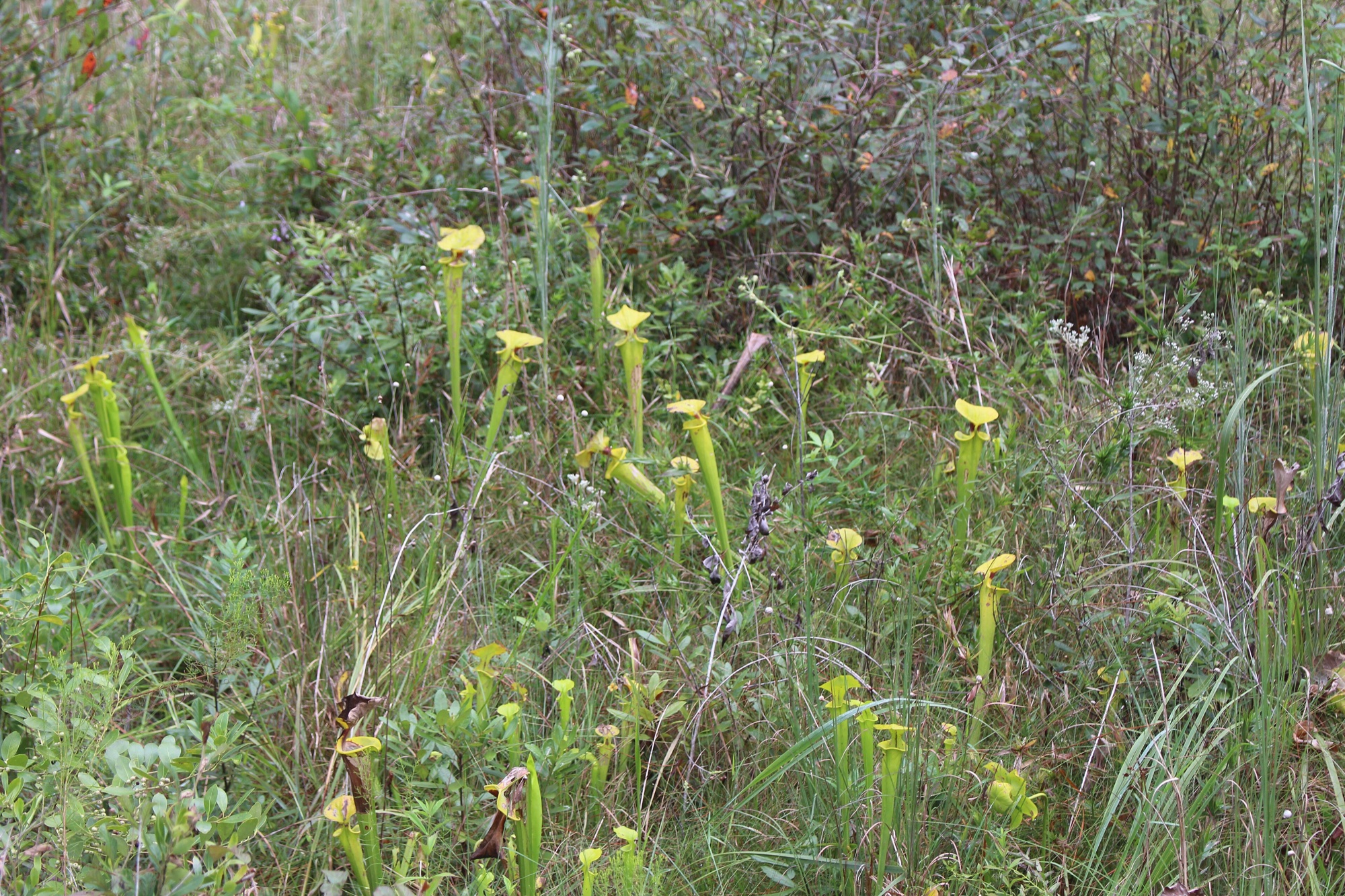
- Habitat type: open bog, seepage over rock, forest floor, stream margin. This tells you about light and about whether the roots sit in water or in moist, draining material.
- Climate pattern: is there a cold season, a dry season, or neither? This decides dormancy.
- Substrate where it is recorded: peat, sand, limestone, serpentine. Butterworts on limestone tolerate alkaline media; most other carnivorous plants do not.
Botanical databases, floras, botanic garden pages and specialist monographs all carry this information; the ICPS names database records cultivar and hybrid parentage. Published descriptions of the original collection often mention the habitat.
Step 3: Read what growers report, critically
Only after you know the habitat, read cultivation advice. You are now in a position to judge it.
- Prefer sources that explain why a practice works, and that match what you learned about habitat.
- Treat a single forum post as one grower’s experience in one set of conditions, not as a rule. Look for agreement across several independent growers.
- Note the climate of the person giving advice. A grower in a humid subtropical city and one in a dry continental climate can give opposite, equally honest advice.
- Be suspicious of precise numbers with no source, and of any page that gives identical care for every species in a genus. Genera such as Drosera and Nepenthes contain species with very different needs.
- Note the date. Practices change, and older pages may predate current understanding of a species.
Step 4: Write a provisional care plan
Turn what you have found into a short plan with the same headings this site’s species profiles use: light, water, medium, temperature, humidity, dormancy, feeding. Where sources disagree or are silent, write “not established” rather than inventing a figure. Where you have a quantity, record it with units.
Then decide what you will watch for. If the plan says “bright light with some sun,” the check is whether the plant colours and grows compactly over the next six weeks. If it says “dry rest in winter,” the check is whether winter leaves appear.
Step 5: Treat the plan as a test
Grow the plant according to the plan, keep a log, and review after a season. Change one variable at a time when something is not working, and record the date. Over a year, your own notes become the most relevant source you have for that plant in your conditions.
An example
Suppose you are handed a plant labelled “Pinguicula ‘Sethos’”. A name check shows ‘Sethos’ is a cultivar of a hybrid between two Mexican butterworts, Pinguicula ehlersiae and Pinguicula moranensis. Both parents grow on calcareous rock in Mexico, at altitude, with a marked dry season. From that alone you can predict: a mostly mineral medium, bright light, moist in summer and nearly dry in winter when succulent leaves appear, and no cold dormancy. Reading grower reports confirms the picture and adds one detail: leaf pullings root easily. You now have a plan and a way to check it, without ever having grown the plant.
Keep your sources
Record where each piece of information came from, with the date you read it. This site does the same at the foot of every species profile. It makes correction easy when you learn you were wrong, and it stops you repeating a claim you can no longer trace.
Sources
References for the facts on this page.