Plant groups
Read about a group before you read about a species. Each page explains what the plants are, where they come from, how the whole group is cared for and where a newcomer should begin.
All plant groups
About the names. A genus is a set of closely related species that share the first word of their scientific name, so every sundew is a Drosera and every Venus flytrap is a Dionaea. Plants in a genus mostly want the same things, which is why the care advice starts here. The order below runs from the groups a beginner is most likely to meet to the specialist ones.
 1 profile
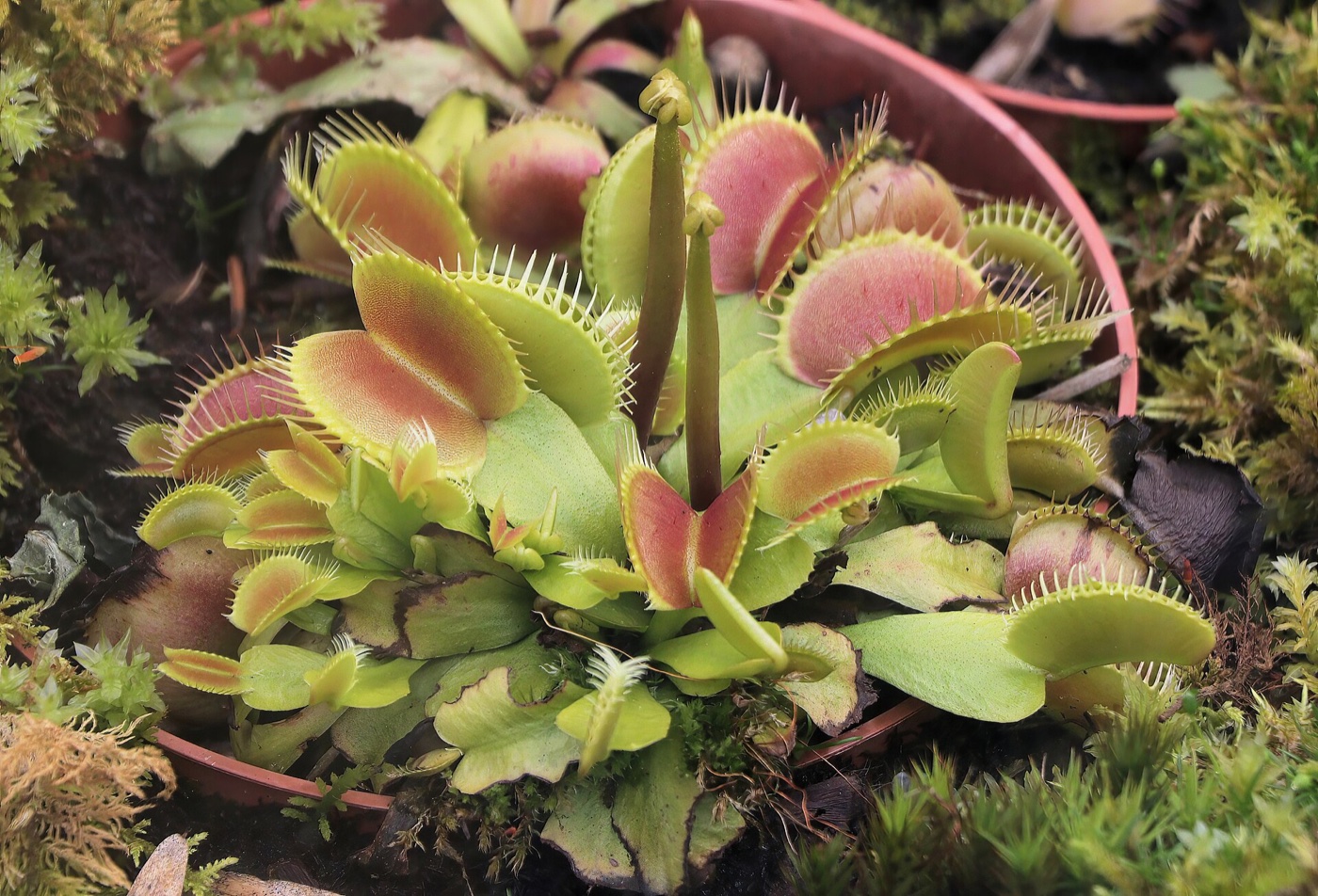
Dionaea Venus flytrap
Dionaea, the Venus flytrap: the only species in its genus. Easy for a season, harder for years: it needs full sun, mineral-free water and a cold winter rest.
 2 profiles
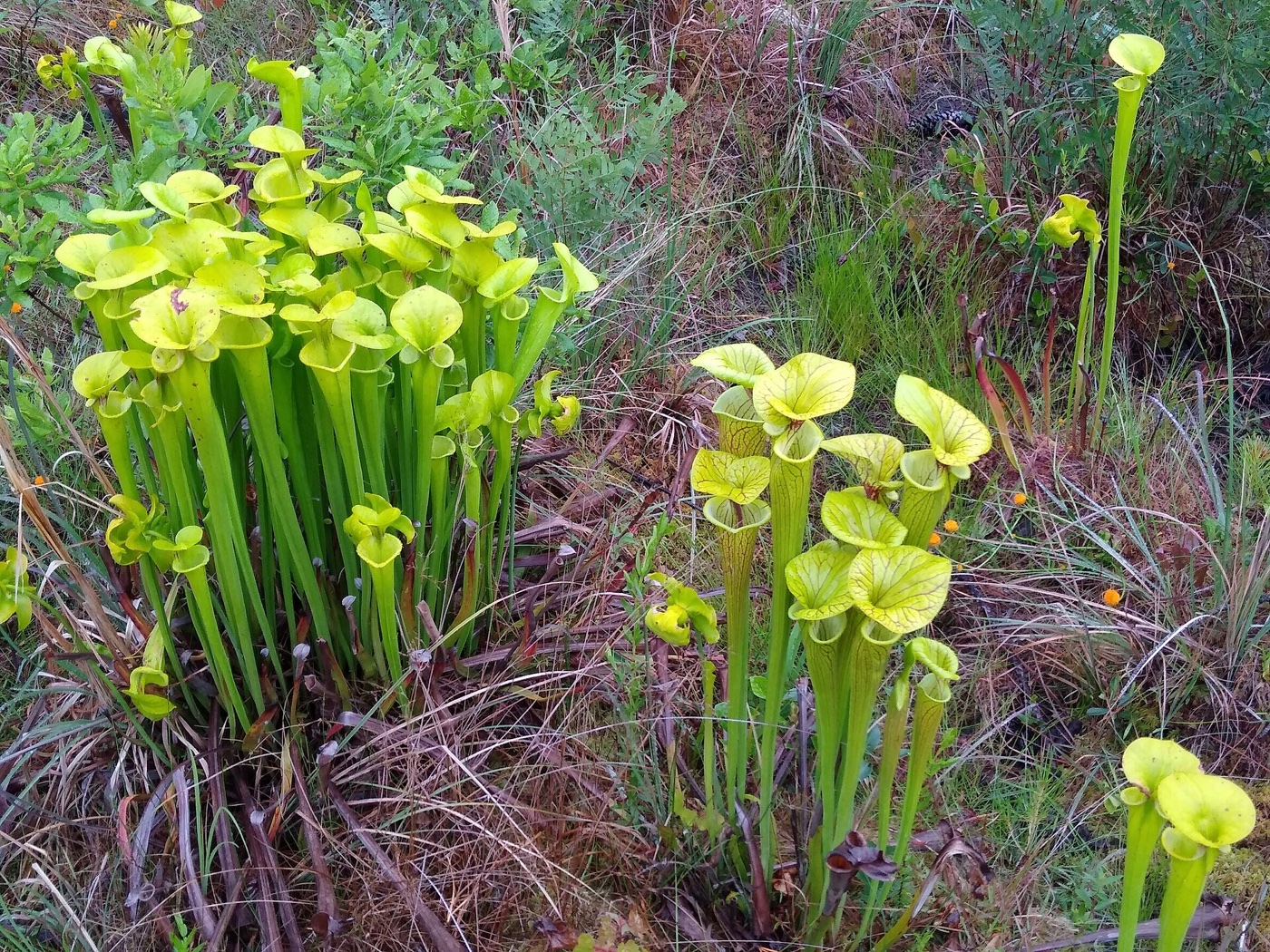
Sarracenia American pitcher plants
Sarracenia, American pitcher plants: pitfall-trap perennials, among the easiest outdoors in temperate climates given full sun, pure water and a cold winter.
 2 profiles
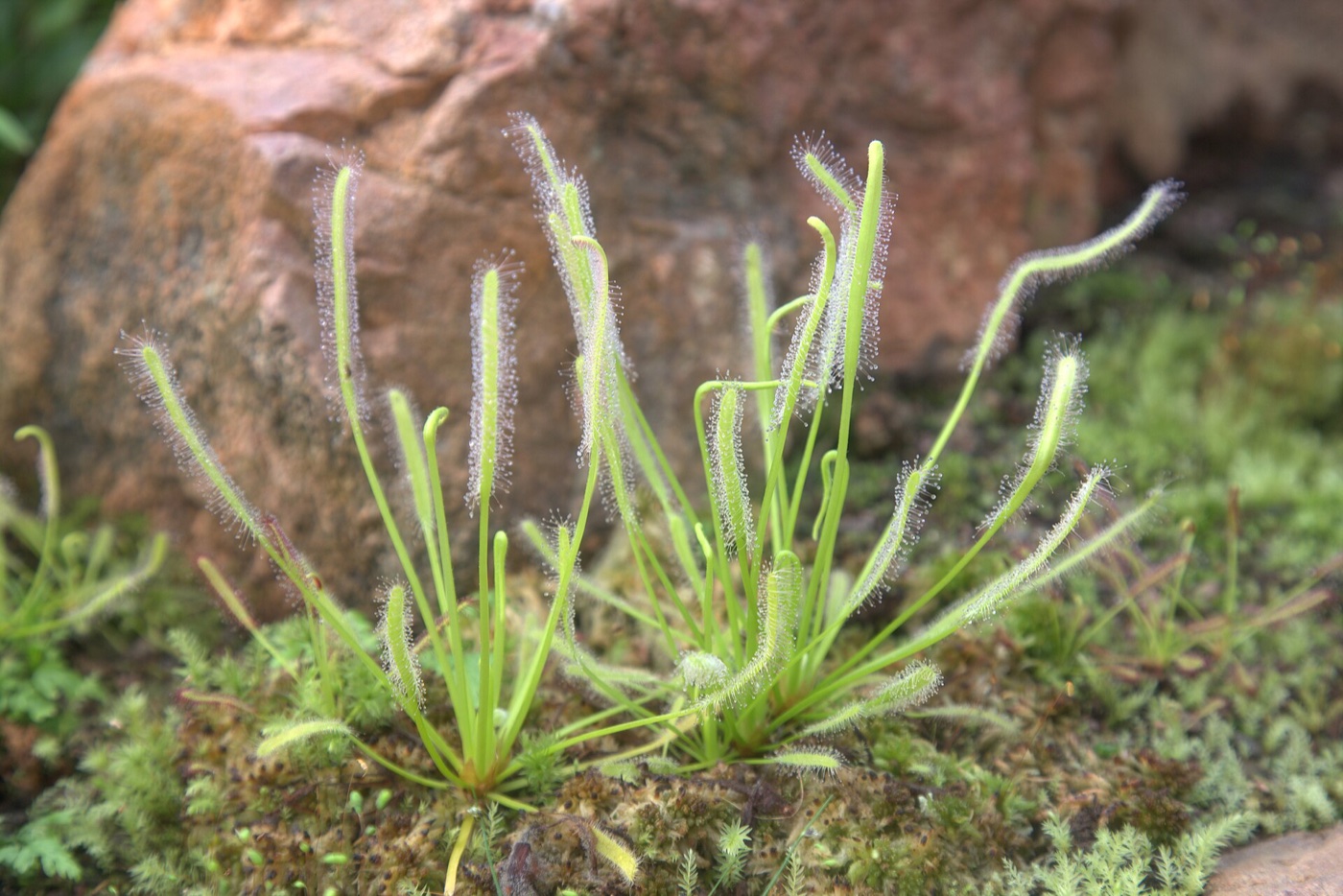
Drosera Sundews
Drosera, the sundews: the largest group of carnivorous plants. Common subtropical species are among the easiest to grow; other groups need seasonal routines.
 1 profile
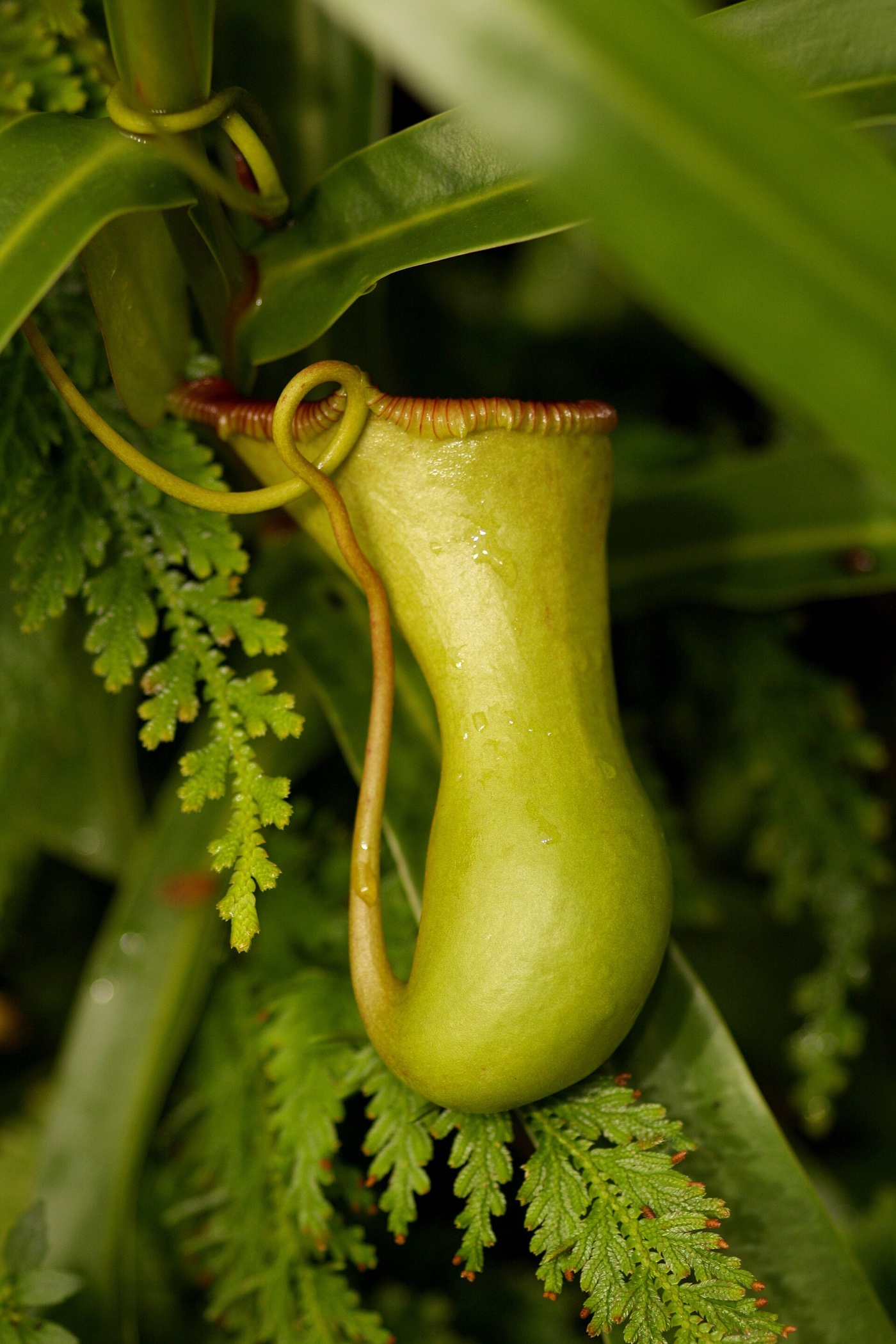
Nepenthes Tropical pitcher plants
Nepenthes, the tropical pitcher plants: climbing vines with lidded pitchers. No dormancy; temperature needs depend on altitude; some hybrids suit windowsills.
 1 profile
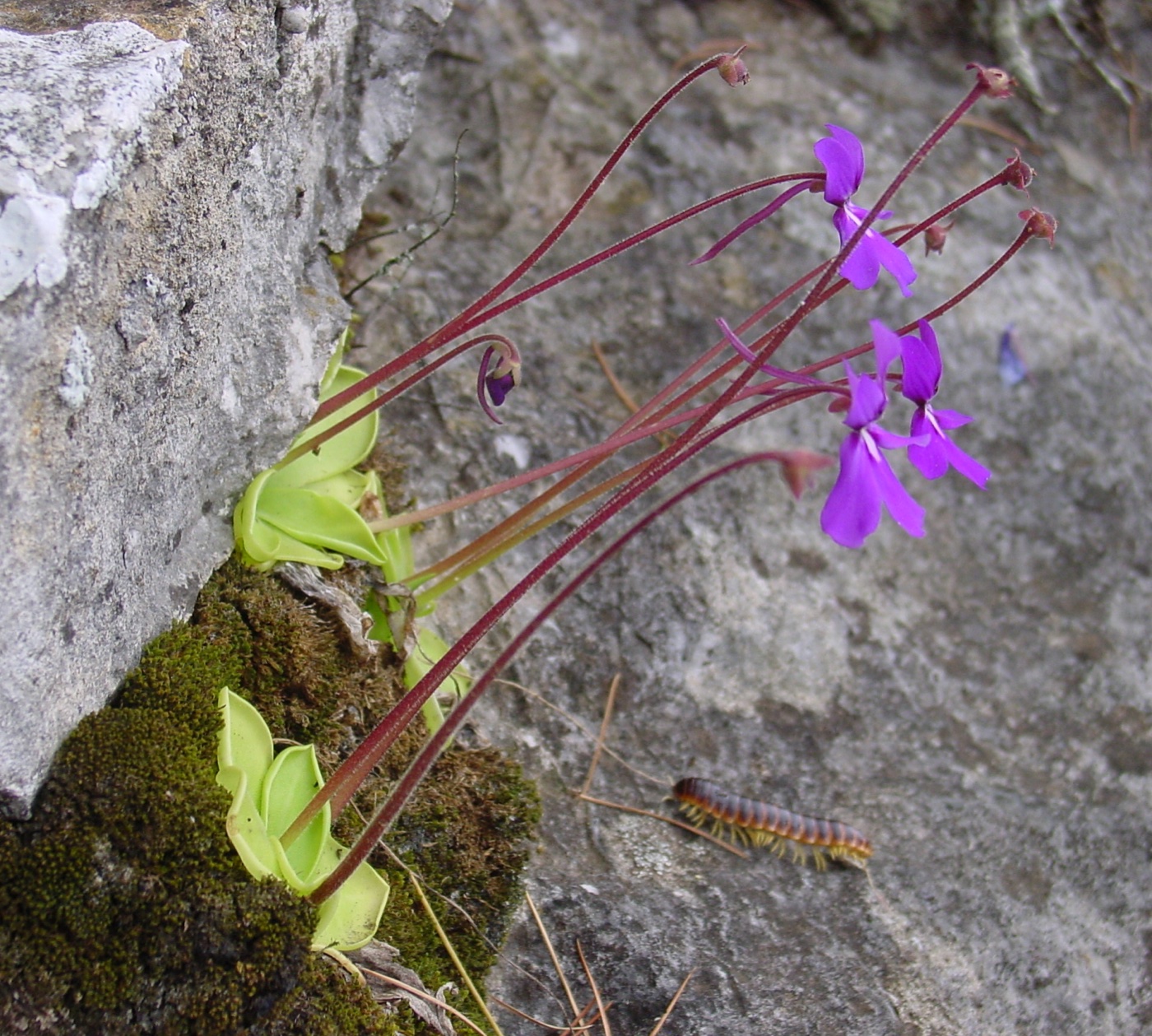
Pinguicula Butterworts
Pinguicula, the butterworts: small rosettes of sticky leaves that catch gnats. Mexican species are easy on a windowsill; temperate ones need a frozen winter.
 1 profile
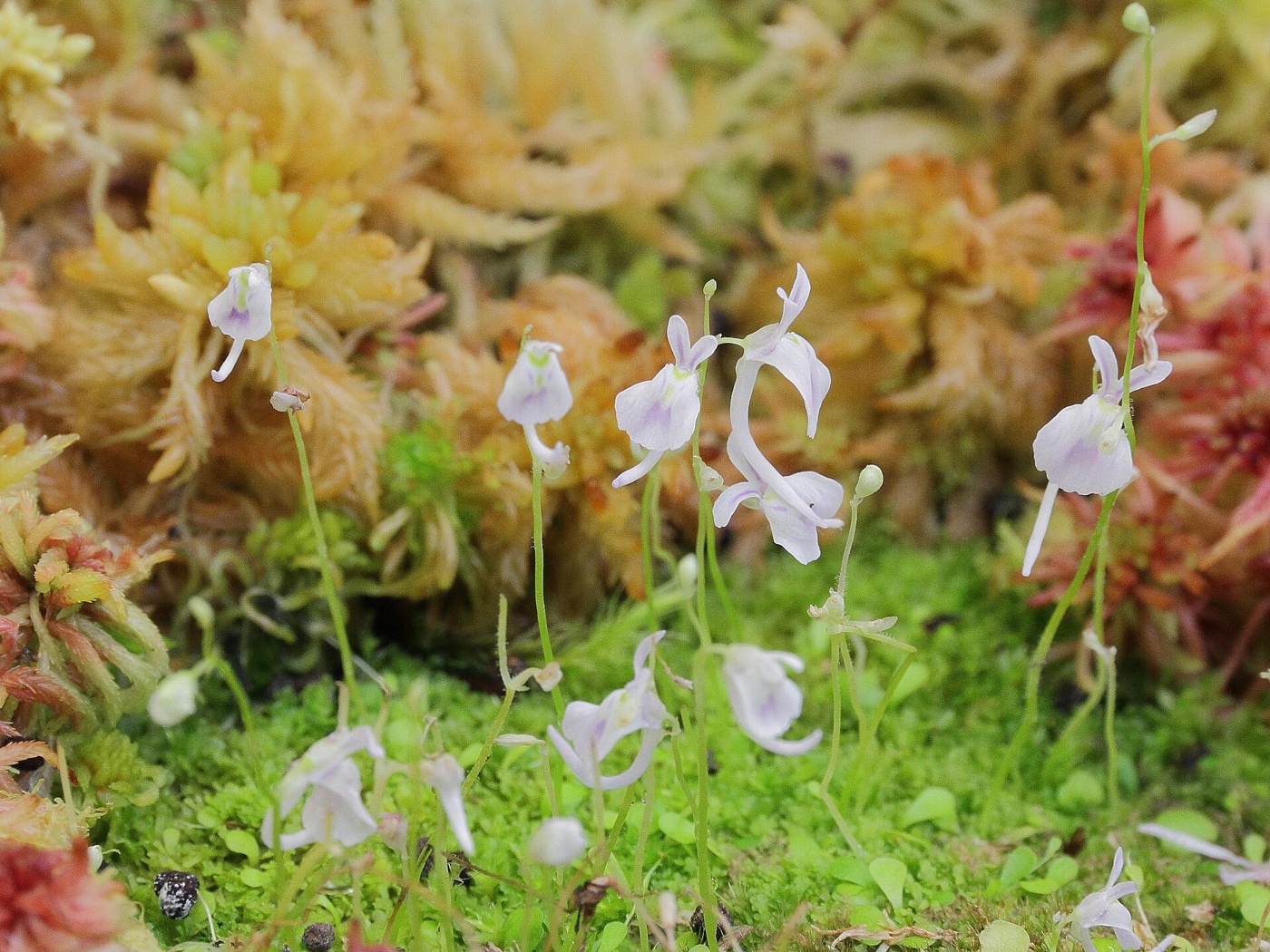
Utricularia Bladderworts
Utricularia, the bladderworts: rootless plants with tiny underwater bladder traps. Terrestrial species are among the easiest to keep; aquatics are harder.
 No profiles yet
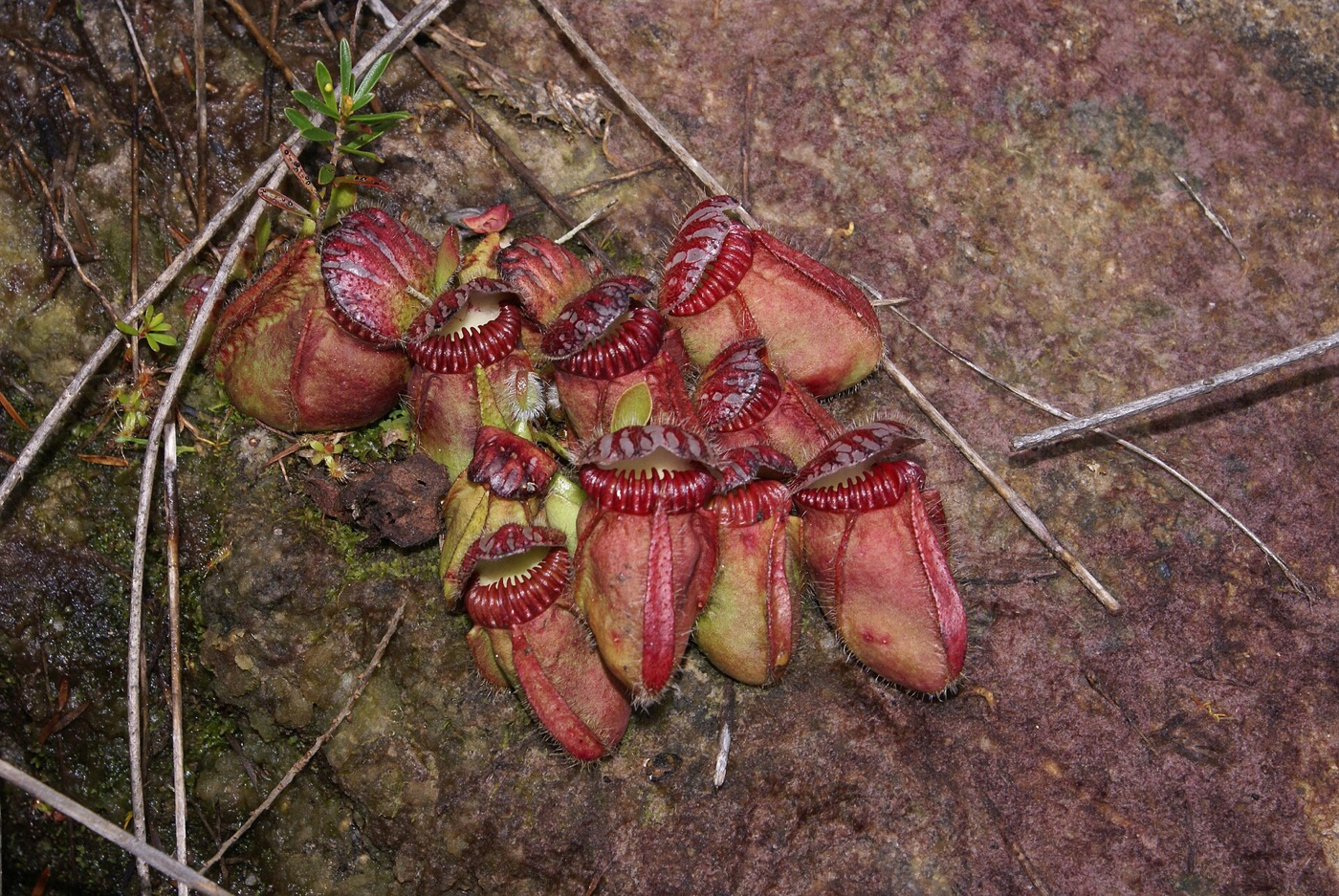
Cephalotus Albany pitcher plant
Cephalotus, the Albany pitcher plant: one species from Western Australia with thumb-sized lidded pitchers. Rewarding once settled, but sensitive to rot.
 No profiles yet
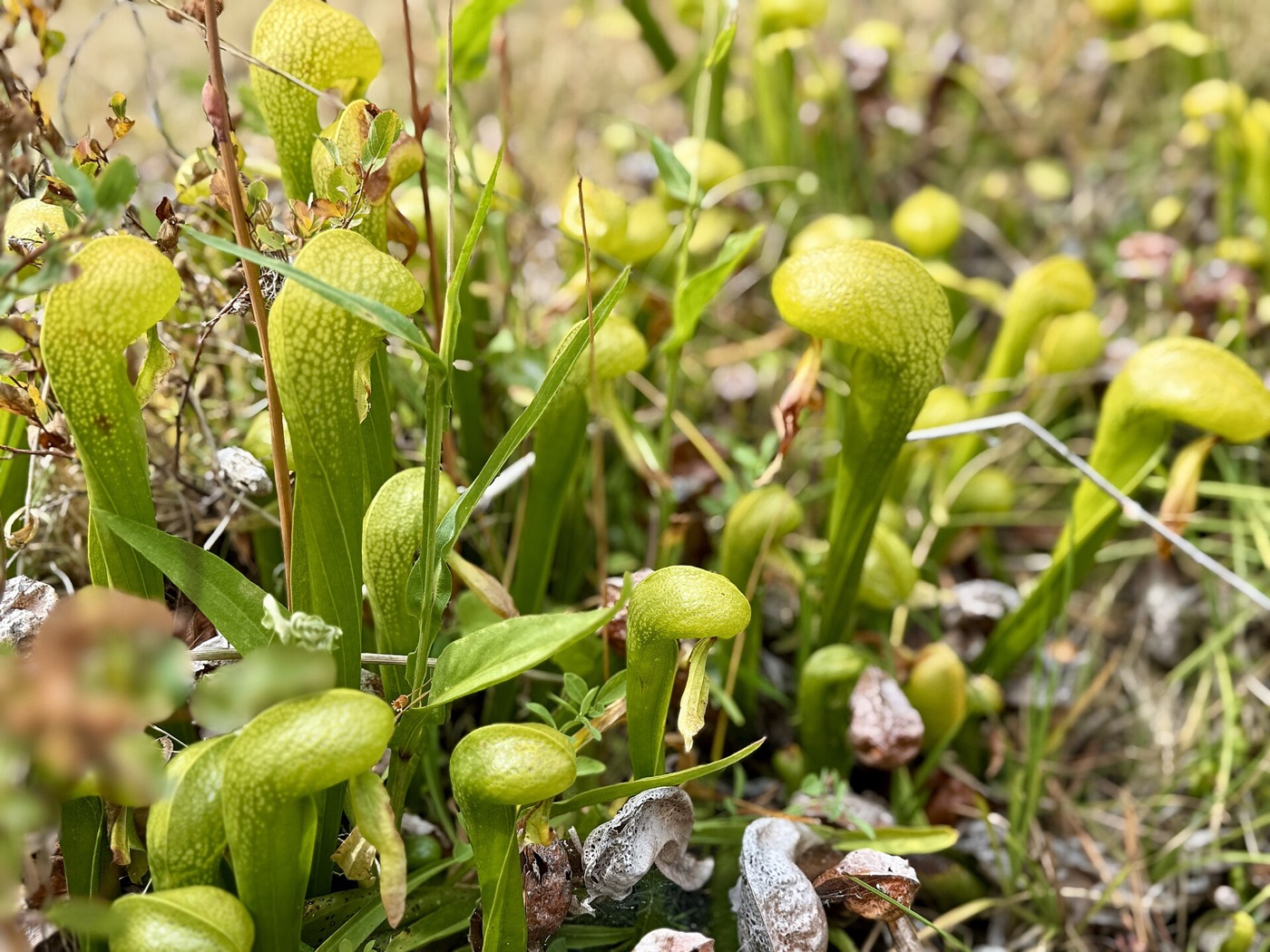
Darlingtonia Cobra plant
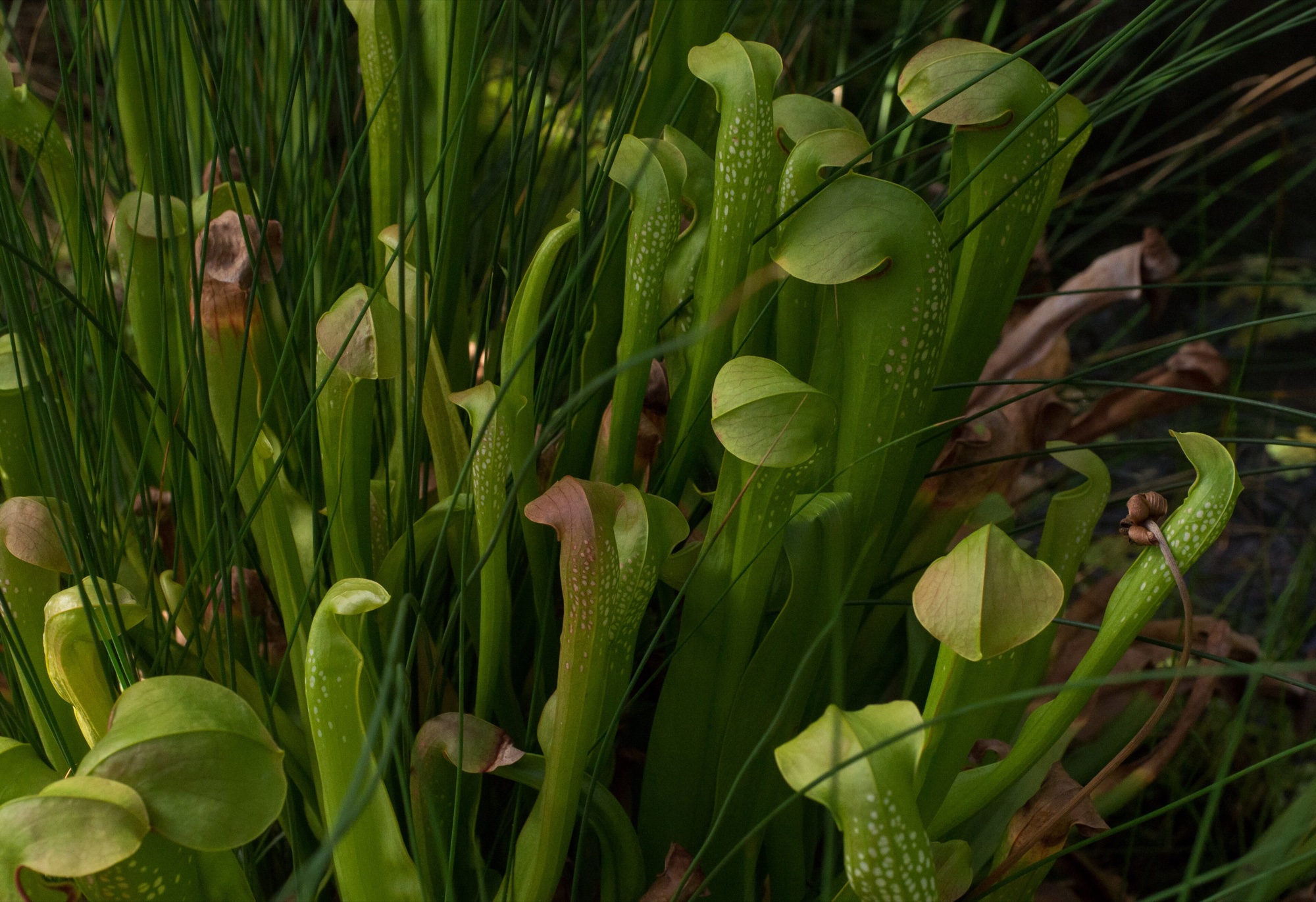
Darlingtonia, the cobra plant: a single western American species with hooded pitchers. Hardy and striking, but it dies when its roots get warm.
 No profiles yet
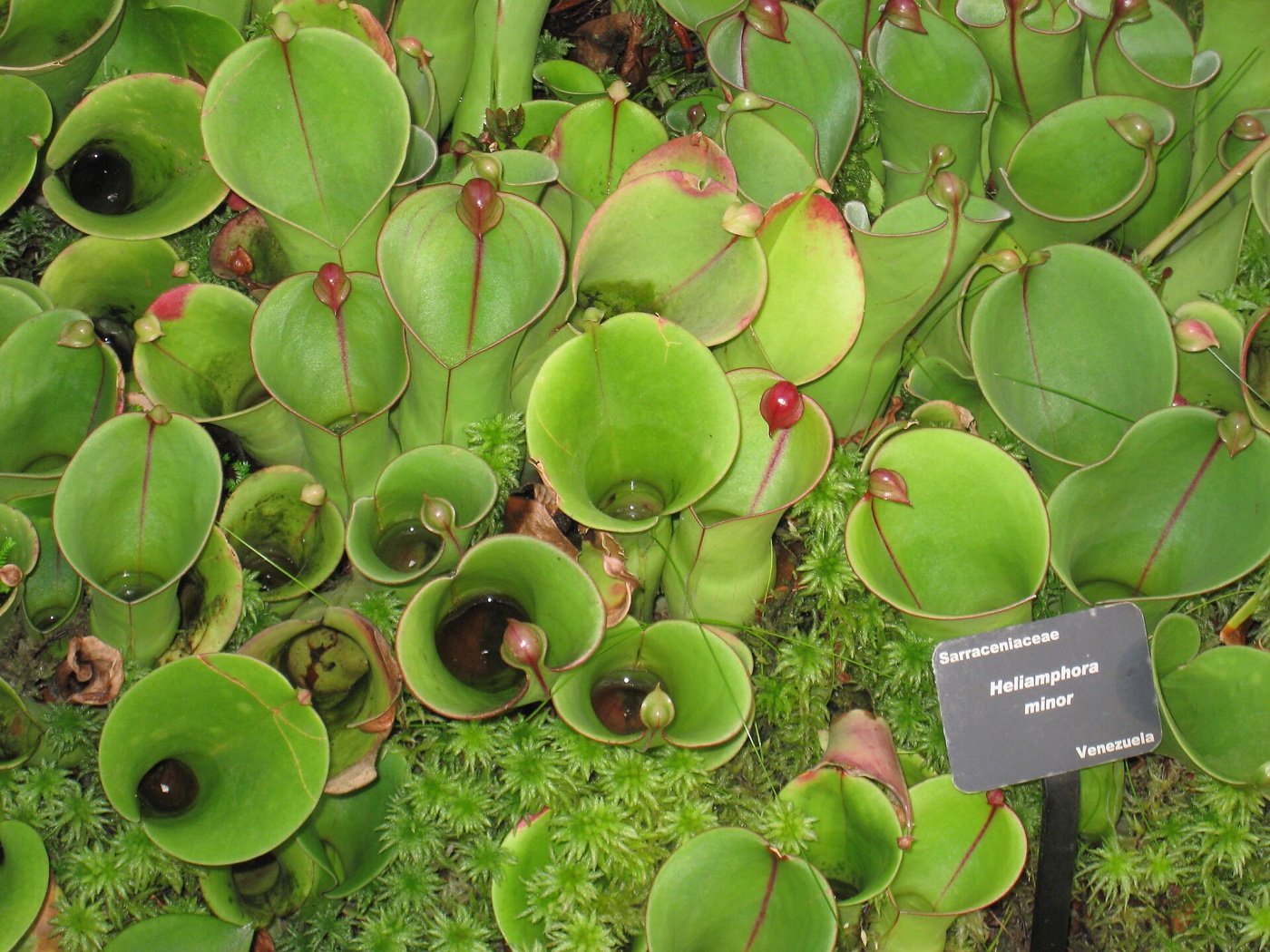
Heliamphora Sun pitchers
Heliamphora, the sun pitchers: South American pitcher plants from cool, rain-soaked Venezuelan mountain tops. Advanced plants; a few are easier under lights.
 No profiles yet
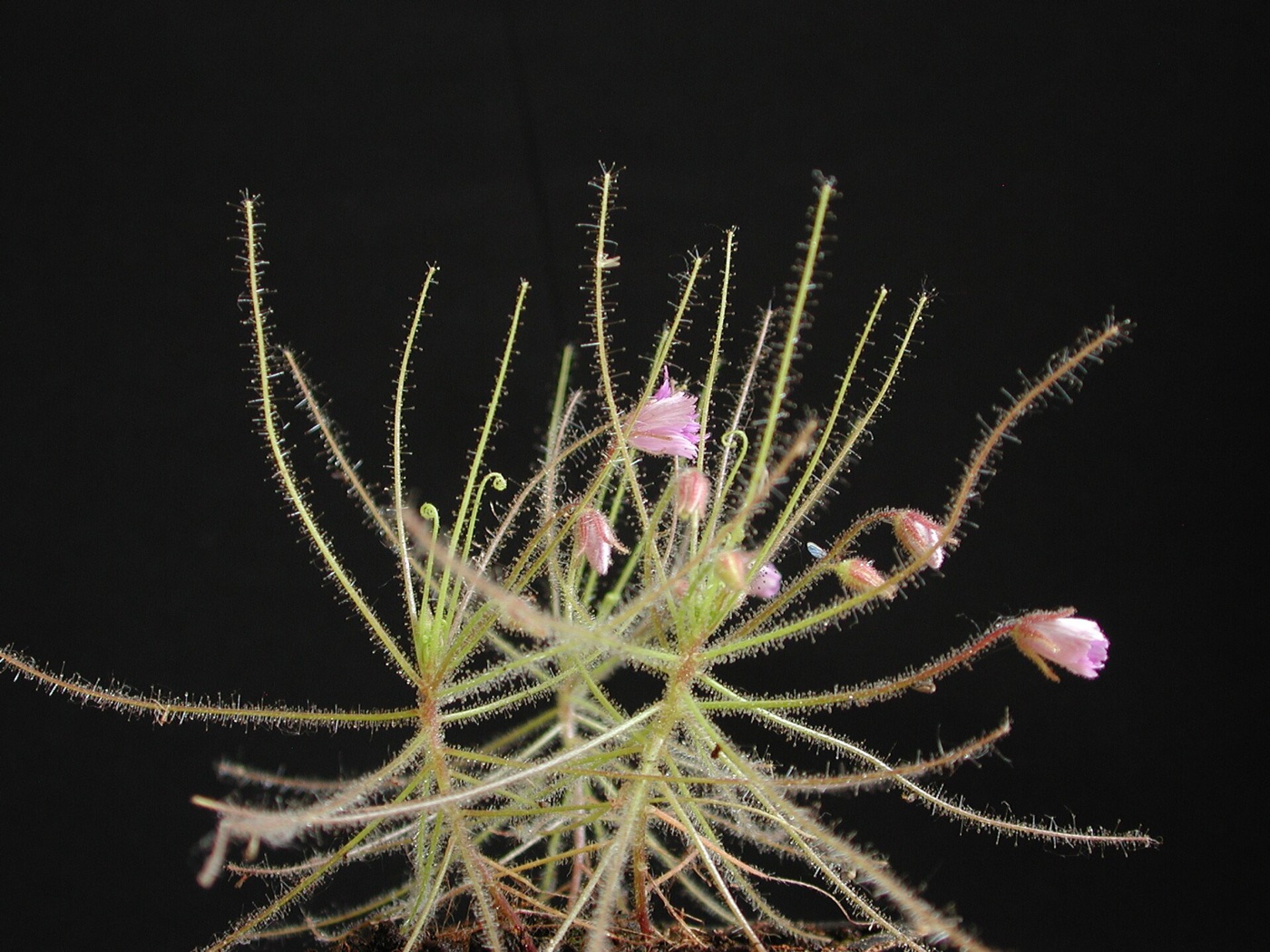
Byblis Rainbow plants
Byblis, the rainbow plants: Australian plants with sticky, thread-like leaves. Most are tropical annuals raised from seed; B. liniflora is an easy annual.
 No profiles yet
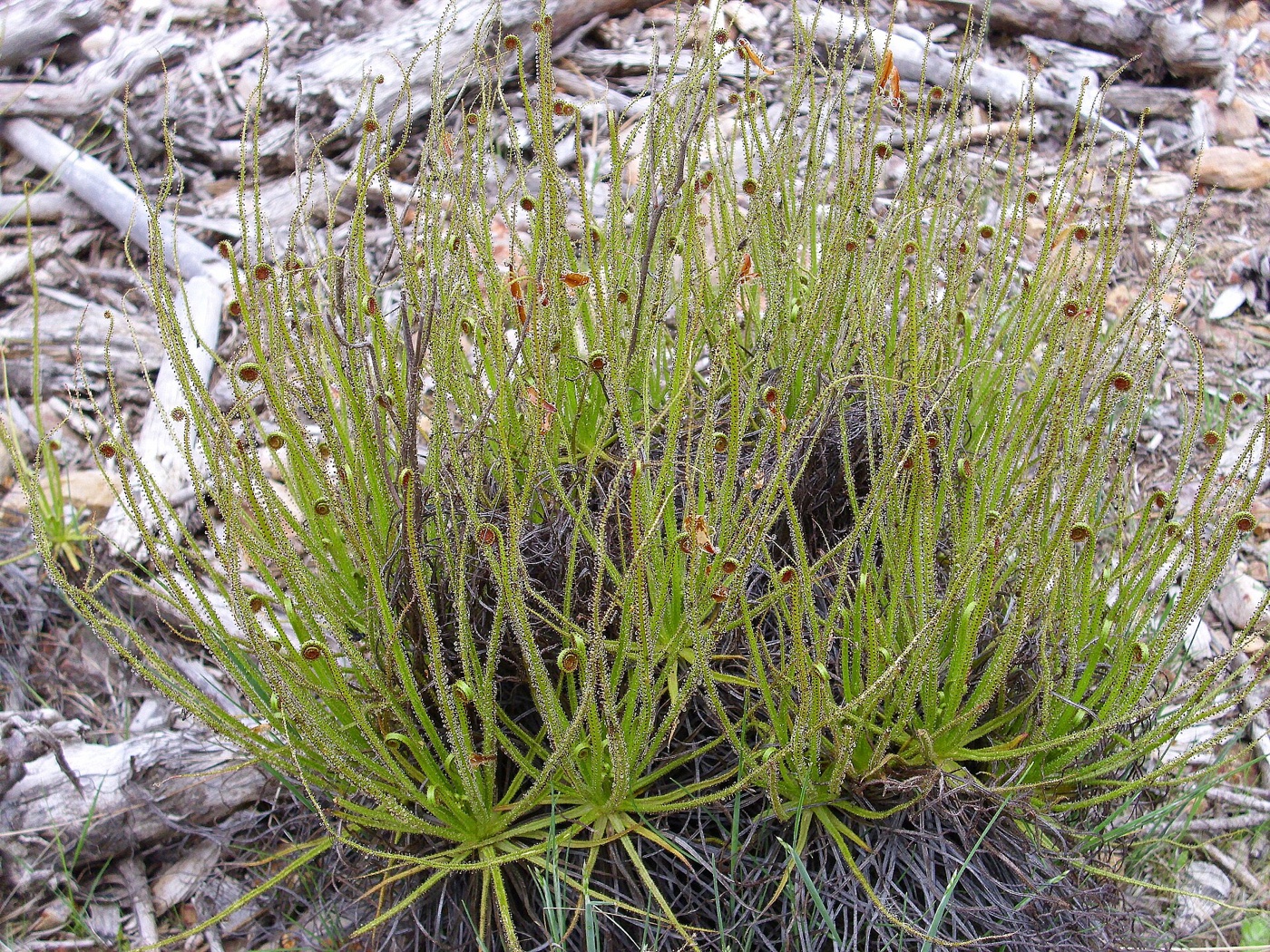
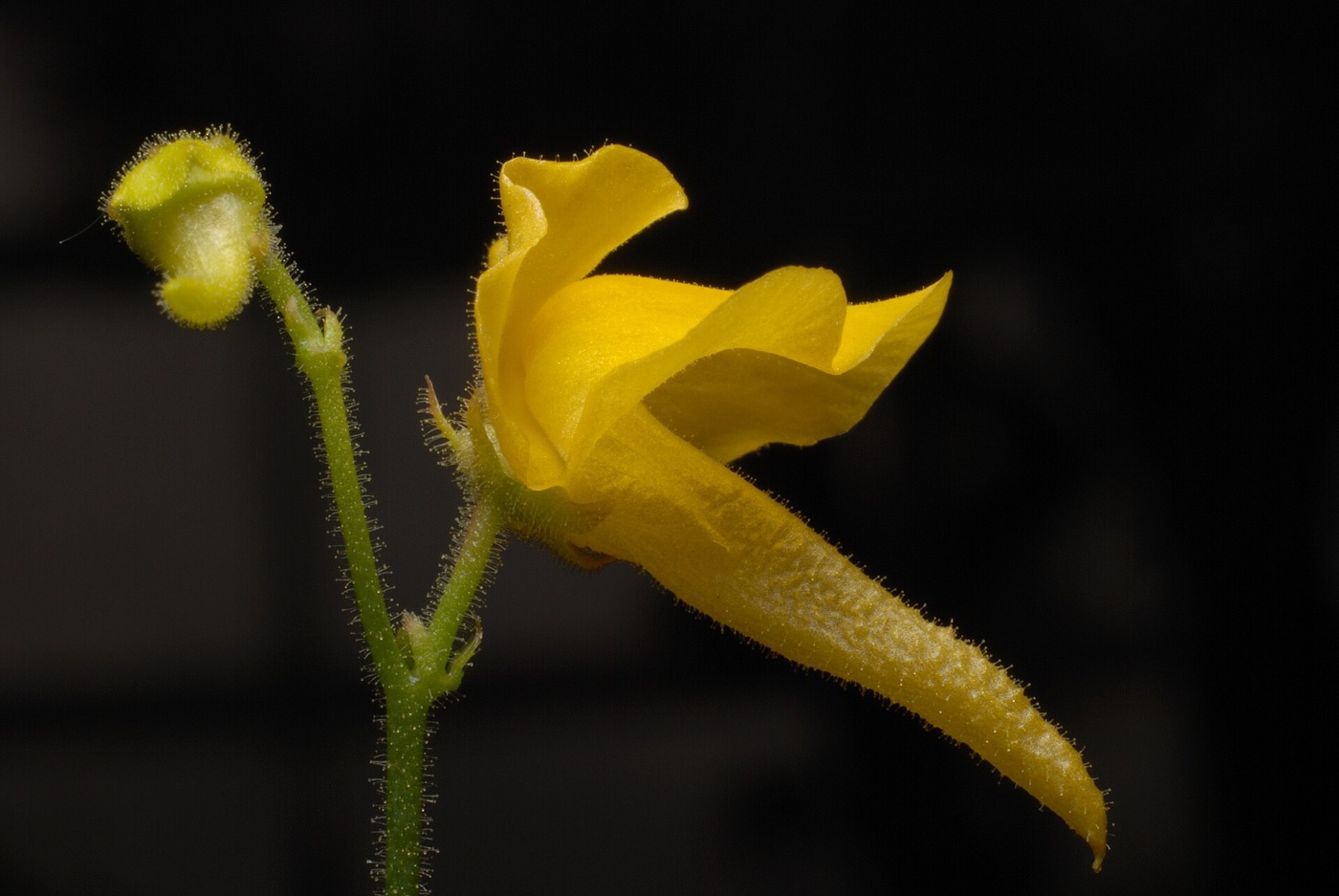
Drosophyllum Dewy pine
Drosophyllum, the dewy pine: a single Mediterranean species grown in a gritty, well-drained mix, never standing in water, and never repotted once established.
 No profiles yet
Genlisea Corkscrew plants
Genlisea, the corkscrew plants: small, rootless tropical relatives of bladderworts with spiral-slit traps in the soil. Grown like terrestrial bladderworts.
 No profiles yet
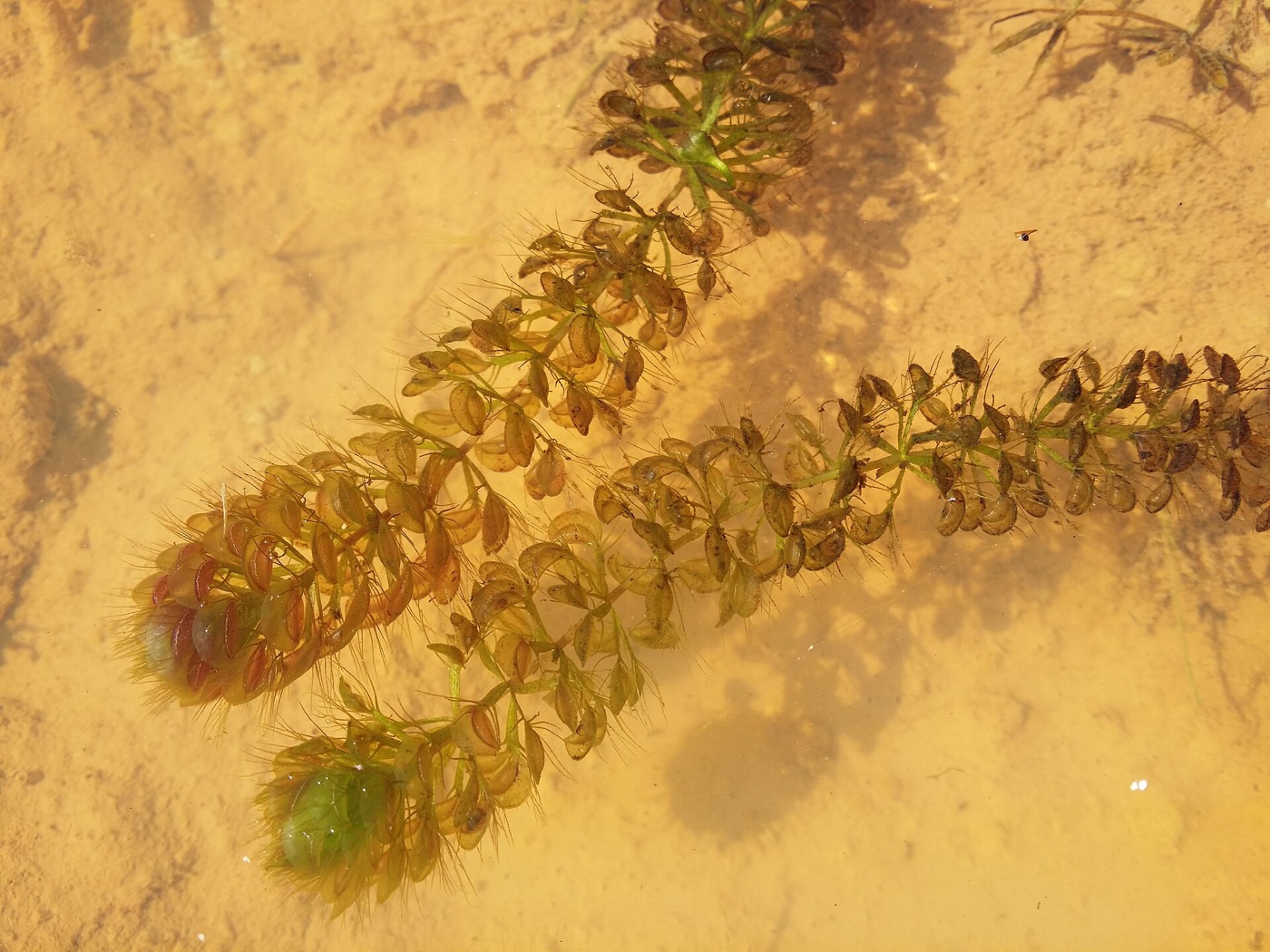
Aldrovanda Waterwheel plant
Aldrovanda, the waterwheel plant: a rootless, floating relative of the Venus flytrap with tiny snap traps. Endangered, and a specialist’s plant.
New to carnivorous plants?
The beginner path explains choosing a plant, water and media, light and dormancy in four short lessons. The plant group pages introduce each genus, and the species library covers each plant in detail.